Introduction
Standing in ankle-deep water in your shower while getting ready for work is an instant morning-ruiner. When sinks empty with a frustrating, sluggish gurgle or wastewater backs up into your basement utility tub, you need immediate solutions. Property owners across the Piedmont Triad face unique challenges with drainage, from mature neighborhood root intrusion to red clay shifting and aging infrastructure. Drain cleaning in Winston-Salem is not just about punching a temporary hole through a blockage; it is about restoring total hydraulic health to your home's entire wastewater network. Delaying intervention can turn a simple slow sink into a catastrophic structural backup, making local expertise and prompt professional care essential for Triad homeowners.
What Is Drain Cleaning? Decoding the Mechanism
At its core, professional drain cleaning is the systematic removal of organic and inorganic buildup, grease, scale, and foreign obstructions from your home’s interior and exterior lateral waste lines.
Your plumbing system operates entirely on gravity and venting. Clean pipes maintain a smooth, unobstructed inner diameter, allowing waste water and solids to glide seamlessly downward into the municipal sewer or private septic tank. However, over years of daily use, interior walls collect layers of soap scum, cooking fats, hair, mineral deposits, and microscopic debris. When this accumulation narrows the passage, flow rates drop, pressure imbalances occur, and complete clogs form.
Imagine a historic home in historic West End or Ardmore. Decades of heavy usage, coupled with decades-old piping materials, mean that everyday items like paper towels or cooking grease create severe choke points that basic consumer plungers cannot touch.
Root Causes: Why This Problem Occurs in Winston-Salem Homes
Drainage failures rarely happen by accident. They are typically driven by environmental, architectural, and structural factors unique to our region:
-
Mature Tree Root Intrusion: Winston-Salem boasts gorgeous, mature neighborhoods with sweeping canopies. Unfortunately, thirsty tree roots constantly seek moisture, infiltrating tiny micro-cracks or joints in older clay or cast-iron sewer lines.
-
Red Clay Ground Shifting: The Piedmont region's distinct red clay expands and contracts significantly with moisture changes, placing immense physical stress on underground lateral pipes and causing structural offsets or breaks.
-
Aging Infrastructure: Many established Winston-Salem properties feature aging cast-iron or Orangeburg piping that corrodes, scales inward, or collapses entirely over time.
-
Hard Water Mineral Buildup: Local mineral content contributes to internal pipe calcification, narrowing the effective diameter of water and waste lines alike.
-
Improper Disposal Habits: Everyday accumulation of grease, coffee grounds, wet wipes (even "flushable" ones), and feminine products compound rapidly inside compromised lines.
Critical Warning Signs: When Your Home is Sounding the Alarm
Your plumbing system rarely fails without warning. Catching these early sensory indicators can save you thousands in remediation and property restoration:
-
Auditory Clues: Gurgling sounds emanating from your toilet when the washing machine drains, or whistling noises from pipes under pressure.
-
Olfactory Indicators: Persistent odors of sulfur, damp earth, or raw sewage drifting up from floor drains, indicating venting failures or dry traps.
-
Visual & Hydraulic Signs: Multiple slow-draining fixtures simultaneously, water pooling around basement floor drains during heavy Piedmont downpours, or unexplained moisture spots on drywall near wet walls.
Ignoring these warnings risks catastrophic sewage overflows, expensive drywall repair, ruined flooring, and severe mold acceleration within crawlspaces and wall cavities.
Financial Breakdown: Cost Factors & Investment Realities
Plumbing investments vary based on specific site conditions, accessibility, and the severity of the obstruction. Transparent, flat-rate pricing ensures you never face unexpected billing surprises. Key cost inputs include:
-
Diagnostic & Dispatch Fees: The initial expert assessment and travel to your property.
-
Severity & Location: Clearing a localized sink trap is vastly different from hydro-jetting a main sewer lateral choked with tree roots 80 feet out in the yard.
-
Equipment Deployment: Utilizing standard cable augers versus high-pressure water jetters or digital camera inspection rigs.
-
Material & Pipe Accessibility: Navigating finished basements, crawlspaces, or breaking through concrete slabs for major line replacements.
-
Permitting & Code Requirements: Official local municipal permits required for major exterior sewer excavations.
Professional Diagnostic & Repair Workflow
Licensed, insured plumbing professionals approach every drainage challenge through a methodical, non-destructive diagnostic process:
-
Non-Invasive Triage & Safety Isolation: Assessing active backups, shutting off affected branch lines if necessary, and protecting your interior flooring.
-
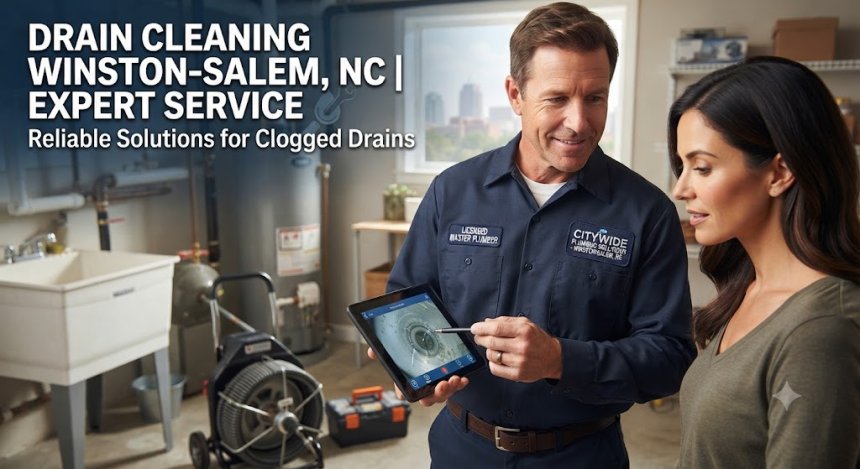
Precision Diagnostic & Digital Video Inspection: Feeding a high-definition camera down the line to visually verify the exact cause, location, and structural integrity of the pipe.
-
Transparent, Upfront Options & Written Estimating: Presenting clear, flat-rate repair or cleaning options with zero hidden fees before touching a tool.
-
Code-Compliant Remediation: Executing the agreed-upon cleaning method or targeted mechanical repair in strict compliance with local plumbing codes.
-
Pressure Testing, Flow Verification, & Clean-Up: Flushing the system thoroughly, verifying optimal flow rates, and leaving your space spotless.
Advanced Diagnostics: The Professional Tool Arsenal
Guesswork has no place in modern professional plumbing. Technicians rely on heavy-duty, state-of-the-art equipment to guarantee accuracy:
-
Push-Rod High-Definition Drain Cameras: Waterproof fiber-optic cameras that reveal root infiltration, cracks, bellies, and scale buildup in real-time.
-
Hydro-Jetting Units: High-pressure water systems delivering up to 4,000 PSI that scour pipe walls completely clean, removing grease and roots rather than just poking a hole through them.
-
Electronic Pipe Locators: Surface sensors that track the exact underground depth and coordinates of a damaged pipe, eliminating destructive exploratory digging.
-
Digital Manometers & Acoustic Detectors: Specialized tools used to verify system pressure integrity and isolate hidden issues.
DIY Reality Check: What You Can Safely Fix vs. When to Step Back
Knowing your limits protects your property, your wallet, and your personal safety.
-
Safe Homeowner Actions: Clearing hair from pop-up bathroom sink stoppers, plunging simple single-fixture sink clogs with a standard flange plunger, and using a basic manual hand-crank auger on straightforward trap blockages.
-
The Danger Zone: Pouring harsh chemical liquid drain cleaners down slow drains, forcing mechanical snakes through fragile historic pipes, or attempting DIY main-line cleanouts without proper personal protective equipment.
-
When to Call a Pro: If multiple fixtures back up at once, if raw sewage is present, if clogs return immediately after DIY clearing, or if a foul odor persists despite clean fixtures, drop the wrench and call a licensed specialist.
Unique Expert Insights: Hard Truths Homeowners Learn Too Late
Experience in the field reveals hard truths that protect property owners from costly mistakes:
-
Chemical liquid drain cleaners generate extreme exothermic heat that can melt PVC pipes, warp older metal lines, and severely burn skin upon contact.
-
Temporary patch kits and quick fixes only mask underlying structural failures, often voiding home insurance clauses for water damage claims.
-
Unlicensed handymen frequently create hidden code violations during makeshift repairs, leading to failed real estate home inspections down the road.
-
Investing in annual preventive maintenance plans costs a fraction of a single emergency midnight sewage extraction.
-
"Flushable" wet wipes are the single largest contributor to residential main sewer blockages in modern households.
Comprehensive Home Plumbing Maintenance Framework
Proactive upkeep extends the lifespan of your entire plumbing infrastructure. Follow this seasonal checklist to keep your lines clear:
-
Spring Checks: Test sump pumps before heavy spring storms, inspect outdoor hose spigots for winter frost damage, and check exterior yard grading to ensure water flows away from the foundation.
-
Summer Habits: Keep grease, coffee grounds, and starchy foods out of kitchen drains; use mesh sink strainers to catch hair and debris.
-
Fall Preparation: Disconnect and store garden hoses, insulate exposed crawlspace or garage pipes, and schedule a professional water heater flush.
-
Winter Defense: Know the location of your main water shut-off valve, let faucets drip during hard freeze events, and monitor water bills for sudden unexplained spikes.
-
Year-Round Vigilance: Avoid chemical drain cleaners entirely; rely on biological enzyme treatments for monthly organic maintenance.
Emergency Protocol: When Immediate Dispatch is Non-Negotiable
Certain plumbing failures require immediate professional intervention, day or night:
-
Catastrophic pipe bursts or active structural flooding threatening drywall, electrical systems, and hardwood flooring.
-
Complete main sewer line backups discharging raw sewage into living areas, basements, or bathtubs.
-
Total loss of potable water supply to the home.
-
Overflowing toilets or fixtures directly threatening active electrical outlets.
Frequently Asked Questions (FAQs)
How often should I have my main sewer line cleaned?
Most homes benefit from a professional inspection and cleaning every 18 to 24 months, especially properties with mature trees or older cast-iron lines.
Are chemical drain cleaners safe for my pipes?
No. Chemical cleaners rely on harsh acids or lye that corrode metal pipe walls, degrade rubber seals, and pose severe safety hazards to anyone working on the system later.
What causes my kitchen sink to gurgle when the dishwasher runs?
Gurgling usually indicates a partial blockage or venting restriction in the shared branch line, trapping air bubbles that escape up through the sink drain.
How does hydro-jetting differ from standard snaking?
Snaking punches a small hole through a clog to restore temporary flow. Hydro-jetting uses high-pressure water streams to scour the entire inner circumference of the pipe, removing grease, scale, and roots completely.
Can tree roots really break my underground sewer pipes?
Yes. Roots enter through microscopic joints or cracks in search of moisture, expanding inside the pipe and eventually crushing or offsetting the structural material.
What should I do immediately if my basement drain backs up?
Stop using all water fixtures in the home immediately, avoid stepping in standing wastewater if electrical hazards are present, and call an emergency local plumber.
Is it normal for my drains to slow down gradually?
While common due to daily accumulation of soap scum, grease, and hair, gradual slowing is a clear warning sign that a professional cleaning is needed before a full blockage forms.
Why do my drains smell like rotten eggs?
This foul odor typically means a P-trap has dried out, allowing sewer gas to vent back into your living space, or organic sludge has built up inside the overflow channels.