Introduction
Dealing with recurring slow drains, unexpected soggy patches in your yard, or foul sewer odors can quickly turn from a minor household annoyance into a stressful ordeal. For property owners throughout the Piedmont Triad, sewer camera inspection is the definitive diagnostic solution to pinpoint hidden pipeline damage without destroying your landscaping. When underground sewer lines suffer from structural collapses, severe grease accumulation, or intrusive tree roots, guessing the source of the failure leads to wasted money and unnecessary trenching. Because Winston-Salem experiences shifting clay soils, mature tree canopies, and distinct seasonal weather changes, underground infrastructure undergoes heavy physical stress. Understanding how professional sewer scoping works helps local residents identify issues early and make informed decisions before minor blockages escalate into major property disasters.
What Is Sewer Camera Inspection? Decoding the Mechanism
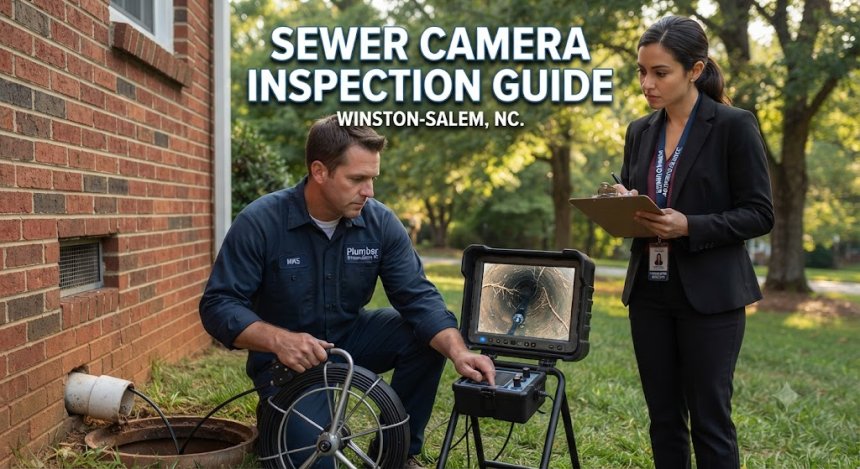
A sewer camera inspection is a specialized diagnostic procedure where a high-resolution, waterproof digital camera attached to a flexible push-rod is inserted directly into your home's main lateral sewer line. The camera transmits real-time video feed to a monitor on the surface, allowing a licensed master plumber to visually inspect the interior condition of the pipe walls, joints, and connections.
When a system operates properly, wastewater flows smoothly from household fixtures out to the municipal main. However, when failure occurs—such as a structural sag (belly), offset joint, or complete break—debris catches, leading to chronic backups. For example, a homeowner in an established Winston-Salem neighborhood with mature oak trees might notice recurring toilet gurgling; running a high-definition camera reveals fine root hairs penetrating a joint, confirming the exact location and depth of the intrusion.
Root Causes: Why This Problem Occurs in Winston-Salem Homes
Underground plumbing lines in our region contend with unique environmental and structural pressures that cause gradual degradation over time:
-
Aging Infrastructure & Historical Piping: Many established homes feature older clay, cast iron, or Orangeburg piping materials that deteriorate, corrode, or flatten after decades of service.
-
Aggressive Tree Root Infiltration: Mature trees native to North Carolina actively seek out microscopic moisture vapor leaks at pipe joints, forcing root fibers inside to expand and choke off wastewater flow.
-
Soil Shifting and Ground Settlement: Winston-Salem's heavy clay soils expand during wet periods and contract during dry spells, creating ground movement that shifts or misaligns rigid underground sewer pipes.
-
Hard Water and Grease Calcification: Accumulated mineral scaling and solidified cooking fats narrow the interior diameter of lateral lines, restricting normal flow.
Critical Warning Signs: When Your Home is Sounding the Alarm
Recognizing early sensory indicators can prevent a complete main line blowout and protect your home from unsanitary sewage backups:
-
Auditory Clues: Gurgling sounds coming from shower drains or toilets when other plumbing fixtures (like a washing machine or sink) are draining.
-
Visual & Structural Indicators: Multiple slow-draining fixtures throughout the house simultaneously, unexplained lush green patches of grass directly over the underground sewer line, or damp depressions in the lawn.
-
Olfactory Signals: Persistent, unpleasant sewer gas odors lingering around basement floor drains, crawlspaces, or exterior yard cleanouts.
-
Cascading Risks: Delaying diagnostic scoping can lead to raw sewage backing up into living areas, destroying flooring, encouraging toxic mold acceleration, and compromising structural framing.
Professional Diagnostic & Repair Workflow
A systematic approach ensures that every underground issue is diagnosed accurately and repaired in compliance with local municipal codes:
-
Non-Invasive Triage & Access Location: Locating the main sewer cleanout outside the home to safely access the lateral line without entering living spaces.
-
Precision Digital Video Inspection: Deploying the push-rod high-definition camera to record the entire interior run, noting exact footage depths and problem spots.
-
Transparent, Upfront Options: Reviewing the recorded video footage with the homeowner and presenting clear, flat-rate pricing for targeted spot repairs or trenchless rehabilitation.
-
Code-Compliant Remediation: Executing the agreed-upon repair using modern techniques like hydro-jetting, pipe lining, or localized excavation.
-
Post-Repair Verification & Clean-Up: Running the camera a second time to verify the line is completely clear, debris-free, and flowing properly before restoring the work area.
Advanced Diagnostics: The Professional Tool Arsenal
Professional technicians rely on heavy-duty, calibrated equipment to ensure absolute accuracy over guesswork:
-
Push-Rod High-Definition Cameras: Equipped with self-leveling heads and high-intensity LED lighting to capture crystal-clear footage inside dark, twisting pipes.
-
Sonde Transmitters & Electronic Pipe Locators: Built into the camera head, radio transmitters allow technicians above ground to pinpoint the exact physical location and depth of a pipe break under a driveway or lawn.
-
Hydro-Jetting High-Pressure Cleaning Units: High-volume water jetters capable of scouring grease, scale, and heavy root masses clean away from pipe walls.
-
Electronic Acoustic Leak Detectors: Used alongside video scopes to isolate pressurized supply line anomalies or verify structural sound integrity.
Financial Breakdown: Cost Factors & Investment Realities
Flat-rate pricing for a professional sewer camera inspection and subsequent repairs varies based on line length, accessibility, damage severity, and labor scope:
-
Diagnostic Dispatch & Scoping Fees: Standard flat-rate charges for deploying camera equipment and providing a digital copy of the video footage.
-
Accessibility and Cleanout Availability: Ease of access via existing outdoor cleanouts versus digging or removing interior obstacles to reach the line.
-
Extent and Severity of Damage: Simple root blockages versus full structural collapses requiring excavation or trenchless pipe lining.
-
Permitting Requirements: Local municipal permits required for major main sewer line replacements or street-connection repairs.
-
Repair vs. Total Replacement Economics: Weighing the cost of targeted spot excavation against long-term trenchless structural pipelining.
Unique Expert Insights: Hard Truths Homeowners Learn Too Late
Over fifteen years in the field across local service sectors, several critical industry truths consistently protect homeowners from costly mistakes:
-
Temporary chemical root killers and harsh store-bought clog removers only offer short-term relief while corroding pipe interiors from the inside out.
-
Renting a basic hardware store drain snake without a camera is a blind gamble that can puncture weakened cast iron or knot up inside a broken pipe.
-
Unlicensed handymen often fail to pull proper local permits, resulting in code violations that surface and stall real estate transactions during home inspections.
-
Scheduling a routine preventative sewer camera inspection costs a fraction of an emergency midnight sewage extraction and property restoration.
-
Buying a home without getting a professional sewer scope first is the number one cause of unexpected post-purchase plumbing debt.
Comprehensive Home Plumbing Maintenance Framework
Maintaining a healthy main sewer and drainage network requires consistent, seasonal attention:
-
Spring/Summer Checks: Inspect outdoor drainage grates, test sump pump discharge lines, and monitor exterior yard grading to ensure water flows away from your foundation.
-
Fall/Winter Preparation: Keep heavy landscaping equipment away from known cleanout caps, and protect outdoor plumbing components from sudden temperature drops.
-
Year-round Habits: Avoid pouring cooking grease, coffee grounds, and fibrous waste down kitchen drains; use mesh strainers on all sinks and tubs; schedule periodic professional drain cleanings.
Emergency Protocol: When Immediate Dispatch is Non-Negotiable
Certain plumbing scenarios demand an immediate 24/7 emergency response to protect health and property:
-
Complete Main Sewer Backups: Raw sewage overflowing from multiple lower-level plumbing fixtures simultaneously, rendering bathrooms unusable.
-
Active Structural Flooding: Main water or sewer line breaks actively washing out soil beneath foundation slabs or flooding finished basements.
-
Electrical Hazard Exposure: Sewage backups coming into direct contact with floor outlets, electrical panels, or appliance motors.
Frequently Asked Questions (FAQs)
What does a sewer camera inspection show?
A sewer camera inspection reveals the exact internal condition of your pipes, displaying cracks, root intrusions, offset joints, grease buildup, structural sags, and pipe material degradation.
How long does a sewer camera inspection take?
Most standard residential sewer camera inspections take between 45 minutes to an hour, including setup, scoping, locating problem areas, and reviewing the findings with the homeowner.
Can tree roots be cleared without digging up my yard?
Yes, minor root intrusions can be effectively cleared using high-pressure hydro-jetting, and structural cracks can often be repaired using trenchless pipe lining methods that do not require major excavation.
Do I need a sewer inspection before buying a house?
Absolutely. A pre-purchase sewer scope is vital because standard home inspectors only check visible fixtures, leaving hidden underground main lines vulnerable to expensive pre-existing defects.
How deep are residential sewer lines buried?
Residential sewer lines typically start at a depth of 12 to 18 inches near the house foundation and slope downward at a rate of 1/4 inch per foot, often reaching depths of 4 to 6 feet or more at the property line.
Will a sewer camera find a leak under a concrete slab?
While cameras show interior pipe conditions, they are paired with electronic sonde locators and acoustic equipment to pinpoint exact structural breaks or leaks under concrete slabs or paved driveways.
How often should my main sewer line be inspected?
Homes with mature trees or older piping materials benefit from a professional sewer camera inspection every 2 to 3 years as part of proactive property maintenance.
What is a sewer belly and how is it repaired?
A sewer belly is a section of pipe that has sagged into the soil due to ground shifting, creating a low spot where standing water and waste collect, requiring structural leveling or replacement.