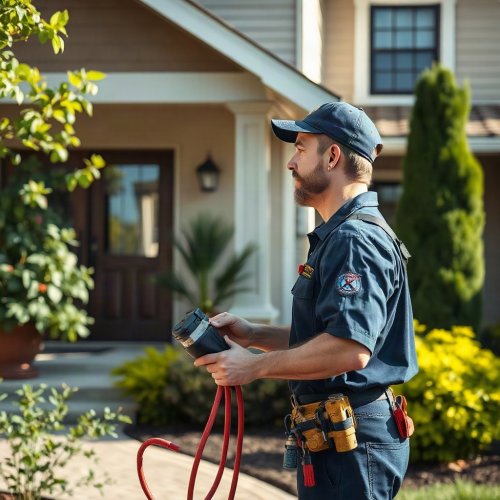
DIY Safety Precautions When Multiple Drains Fail Simultaneously
Learn essential DIY safety precautions when multiple drains fail simultaneously. Protect your home, avoid hazards, and know when to call a professional.


Understanding the Hazards of Multiple Failing Drains
When you notice that multiple drains in your home are backing up or refusing to empty at the same time, it is usually a sign of a major blockage deep within your main sewer line rather than a simple localized clog in a single sink or tub. While many homeowners look to take matters into their own hands with DIY troubleshooting, dealing with simultaneous drain failures involves significant biological and structural risks. Knowing the essential DIY safety precautions when multiple drains fail simultaneously can protect your family's health, prevent property damage, and keep you safe from hazardous situations.
Whether you are dealing with this issue in your local residence or advising property owners elsewhere, including homeowners in Winston-Salem, North Carolina who face similar main line backups during heavy storms, understanding proper safety protocols is the first line of defense before reaching for tools or chemical cleaners.
Crucial Safety Steps Before Inspecting Your Drains
Before attempting any DIY assessment or trying to clear a widespread plumbing backup, you must prioritize personal safety and environmental containment. Raw sewage and wastewater carry dangerous pathogens, bacteria, and viruses that pose severe health risks upon contact or inhalation.
- Wear Personal Protective Equipment (PPE): Always put on heavy-duty rubber gloves, protective eyewear, and waterproof boots before stepping anywhere near standing wastewater.
- Avoid Electrical Hazards: Wastewater backups can sometimes reach floor outlets, baseboard heaters, or low-lying electrical panels. Never step in standing water if there is any chance it has come into contact with live electricity. Shut off the main breaker if water levels are rising near electrical sources.
- Do Not Use Chemical Drain Cleaners: If multiple drains are failing, chemical drain openers will not solve a main sewer line blockage. Instead, these caustic chemicals will sit in your pipes, making it extremely dangerous for you or a plumber if the standing water splashes or backs up further into sinks and tubs.
Recognizing the Warning Signs of a Main Sewer Line Obstruction
Simultaneously failing drains act as a distress signal from your home's entire plumbing network. Recognizing how these symptoms manifest helps you assess the severity of the situation without putting yourself in harm's way.
- The Toilet Test: Flushing a toilet causes water, bubbles, or waste to bubble up into the bathtub, shower drain, or lower-level floor drains.
- Gurgling Sounds: Gurgling noises coming from your plumbing fixtures when running the washing machine or flushing a toilet indicate trapped air displaced by rising wastewater.
- Slow Drainage Across the Board: Sinks, showers, and laundry lines all draining sluggishly at the exact same time point directly to a vent stack blockage or a main sewer lateral obstruction.
Safe DIY Troubleshooting vs. Dangerous Overreach
Property owners often want to fix plumbing failures immediately to restore daily routines. However, DIY interventions during a total system backup are strictly limited.
What You Can Safely Do
You can perform a visual inspection of your property's cleanout plug, typically located outside near the foundation or in the basement or crawlspace. If the cleanout cap is slightly loose, it may relieve pressure and allow wastewater to escape outside rather than inside your living spaces. Additionally, you can cease all water usage immediately—stop running dishwasher cycles, doing laundry, taking showers, or flushing toilets until the main line is cleared.
What You Must Avoid
Never attempt to force a standard hand snake or short auger deep into your main sewer cleanout unless you have proper commercial-grade equipment and training. Improper snaking can puncture older pipes, get permanently lodged in tree root bundles, or cause pressurized sewage to spray into the room. If sewage is actively flooding your living areas, refrain from DIY cleanup of large volumes of black water, as improper sanitation can spread harmful bacteria throughout your HVAC system and drywall.
When to Call Professional Plumbing Services
Simultaneously failing drains rarely resolve themselves through basic household techniques. Because the root cause is frequently structural damage, heavy tree root intrusion, crushed pipes, or a collapsed sewer lateral, specialized professional intervention is almost always required.
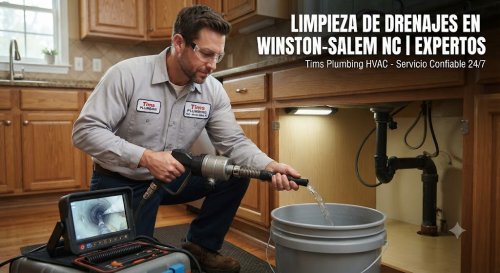
Professional plumbers utilize advanced diagnostic tools such as waterproof high-definition sewer camera inspections to locate the exact break or blockage underground without unnecessary digging. Following the diagnosis, experts employ high-pressure hydro jetting or heavy-duty motorized augers to completely clear obstructions and restore safe, reliable flow to your entire plumbing system.
Conclusion
Encountering multiple failing drains simultaneously is a stressful plumbing emergency that demands caution, patience, and strict adherence to safety protocols. By prioritizing personal protection, avoiding toxic chemical drain cleaners, halting all indoor water usage, and recognizing the limits of DIY troubleshooting, you can prevent injuries and mitigate property damage. When your home's primary drainage network experiences a complete standstill, contacting a qualified professional plumber ensures the issue is resolved safely, effectively, and permanently.
Frequently Asked Questions
Why are all my drains backing up at the exact same time?
When multiple drains fail simultaneously, the issue is almost never a localized clog in a single pipe. It points directly to a blockage or structural failure in your home's main sewer line or a severe clog in the main plumbing vent stack.
Is it safe to use liquid drain cleaner when multiple drains fail?
No. Pouring chemical drain cleaner into your plumbing when multiple drains are clogged is extremely dangerous. The chemicals will sit stagnant in the pipes and can splash back onto your skin or eyes when you attempt to clear the lines or when a plumber works on the system.
How can I temporarily relieve pressure from backed-up drains?
If you can safely access your outdoor sewer cleanout plug, slightly loosening the cap can allow wastewater to spill out into the yard rather than backing up into your bathtubs, showers, and flooring inside your home. Cease all water usage immediately.
When should I call an emergency plumber for a drainage failure?
You should contact a professional plumber immediately if raw sewage is backing up into your living spaces, if multiple drains remain completely clogged despite stopping all water usage, or if you suspect a broken or collapsed main sewer line.
Share
What's Your Reaction?
 Like
0
 Dislike
0
 Love
0
 Funny
0
 Angry
0
 Sad
0
 Wow
0