DIY Annual Plumbing Maintenance Checklist for Miami Properties
Keep your property running smoothly with our expert DIY annual plumbing maintenance checklist designed specifically for Miami properties.

Introduction to Annual Plumbing Maintenance for Miami Properties
Maintaining a property requires a proactive approach, especially when dealing with unique local environmental factors. Whether you own a residential home or a commercial building in Miami, implementing a robust plumbing maintenance routine prevents costly emergencies. While property owners in regions like Winston-Salem, North Carolina experience freezing winter temperatures that demand pipe insulation, Miami properties face entirely different challenges, such as high humidity, hard water, heavy rainfall, and corrosive salt air. This DIY annual plumbing maintenance checklist is designed to help you catch minor issues before they turn into major structural disasters.
Why Miami Properties Need Special Plumbing Care
Miami’s tropical climate puts unique stress on plumbing infrastructure. The high mineral content in the water supply accelerates scale buildup inside pipes and water heaters. Furthermore, the combination of high water tables, heavy seasonal downpours, and sandy soil can impact sewer lines and drainage systems. A yearly inspection ensures that your system can handle these environmental pressures year-round without unexpected failures.
Your Step-by-Step DIY Plumbing Maintenance Checklist
Follow this comprehensive checklist month-to-month or once a year to keep your plumbing system in top condition:
- Inspect All Fixtures and Faucets: Check every sink, shower, and tub for slow leaks, drips, or reduced water pressure. A dripping faucet wastes hundreds of gallons of water and often points to a worn-out washer or cartridge.
- Test Shut-Off Valves: Locate your main water shut-off valve as well as individual valves under sinks and behind toilets. Turn them off and on to ensure they do not seize up. In an emergency, these valves are your first line of defense.
- Check Under Sinks for Moisture: Look inside vanity and kitchen cabinets for signs of dampness, mold, or warping wood, which indicate slow leaks in supply lines or P-traps.
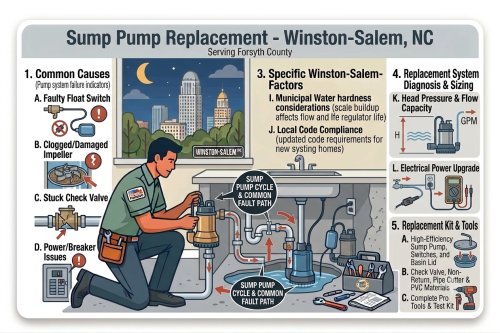
- Test Sump Pumps and Backflow Preventers: Given Miami's heavy rainfall and flood risks, ensuring your sump pump operates correctly is vital. Pour a bucket of water into the sump pit to verify that the pump activates and discharges water away from the foundation.
- Flush and Inspect the Water Heater: Sediment buildup is common in South Florida due to hard water. Flushing your tank-style water heater once a year removes mineral deposits, extends the unit's lifespan, and improves energy efficiency.
- Examine Toilets for Hidden Leaks: Drop a few drops of food coloring into the toilet tank. If color seeps into the bowl without flushing, you have a silent leak at the flapper valve, which drives up water bills.
- Clear Outdoor Drains and Gutters: Ensure that storm drains, French drains, and property gutters are free of leaves, dirt, and debris to prevent localized flooding around your foundation.
Signs You Need to Call a Professional Plumber
While a DIY checklist is fantastic for routine upkeep, some plumbing tasks require specialized tools, commercial equipment, and licensed expertise. You should contact a qualified plumbing professional immediately if you notice:
- Sudden, unexplained spikes in your water bill indicating a hidden slab leak or underground pipe break.
- Persistent sewage odors around your property or multiple slow-draining fixtures pointing to a main sewer line blockage.
- Discolored, foul-smelling, or sputtering water coming from your taps.
- Major corrosion, rust, or leaking joints around your main water supply line or water heater tank.
Conclusion
Staying ahead of repairs with a consistent DIY annual plumbing maintenance checklist protects your investment, saves money on utility bills, and prevents stressful emergency repairs. By keeping a close eye on fixtures, testing safety valves, and managing sediment buildup, you ensure your property remains safe and functional throughout the year. For complex problems or major installations, always partner with a licensed and experienced plumbing professional to guarantee the job is done right.
Frequently Asked Questions
How often should I flush my water heater in Miami?
Due to the mineral content in the local water supply, it is recommended to flush your water heater at least once a year to prevent damaging sediment accumulation.
Can hard water damage my plumbing fixtures?
Yes. Over time, mineral scale buildup narrows pipe diameters, restricts water flow, and wears down the internal components of faucets, showerheads, and appliances.
What should I do if my main water shut-off valve is stuck?
Do not force a stuck valve with excessive physical leverage, as this can snap the pipe and cause a major flood. Contact a licensed plumber to safely replace the valve.
Share
What's Your Reaction?
 Like
0
 Dislike
0
 Love
0
 Funny
0
 Angry
0
 Sad
0
 Wow
0