Gas Water Heater Repair in Winston-Salem, NC
Get information about gas water heater repair in Winston-Salem, NC, including common problems, pilot light issues, burner problems, leaks, warning signs, maintenance, repair costs, and when to call a professional

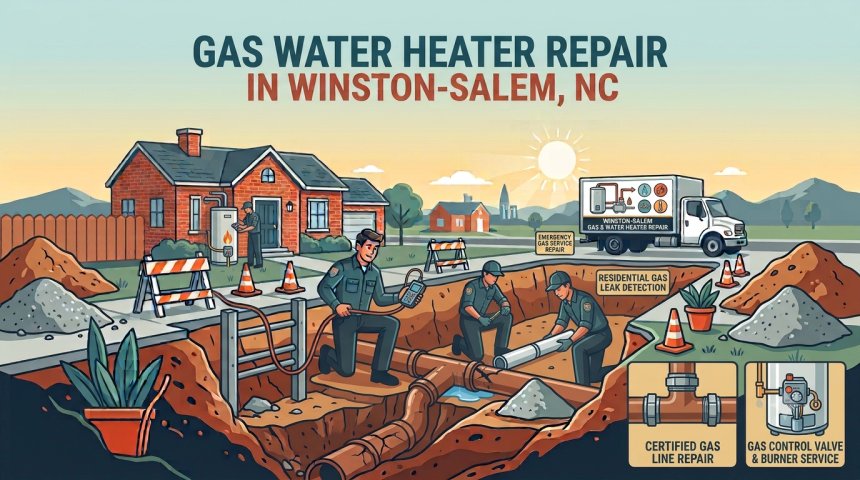
Gas Water Heater Repair in Winston-Salem, NC
A gas water heater provides hot water by using a gas burner to heat water inside a storage tank or through a specialized heating system. When the unit stops working correctly, homeowners may experience cold water, inconsistent temperatures, unusual sounds, leaks, or other problems.
Professional gas water heater repair in Winston-Salem, NC can help diagnose these issues and determine whether a repair, maintenance service, or replacement is appropriate.
Because gas water heaters involve both plumbing and fuel-burning components, safety is especially important. Homeowners should avoid attempting repairs that require specialized gas, combustion, or electrical knowledge.
Common Gas Water Heater Problems
Gas water heaters can experience several different problems.
Common issues include:
- Pilot light problems
- Ignition failure
- Burner problems
- Thermostat issues
- Gas supply problems
- Sediment buildup
- Water leaks
- Temperature fluctuations
- Pressure-related problems
- Venting concerns
- Corrosion
- Age-related wear
The correct solution depends on the type and condition of the water heater.
No Hot Water From a Gas Water Heater
One of the most common complaints is that the water heater is not producing hot water.
Possible causes include:
- Pilot light failure
- Ignition problems
- Gas supply interruption
- Burner malfunction
- Thermostat failure
- Internal component problems
If the pilot light repeatedly goes out, the issue should not simply be ignored. A professional should determine why the system cannot remain operating normally.
Pilot Light Problems
Traditional gas water heaters may use a pilot light to ignite the main burner.
If the pilot light will not stay lit, several factors may be involved.
Possible causes include:
- Ignition component problems
- Thermocouple or flame-sensing issues
- Gas supply concerns
- Draft or venting problems
- Dirty components
- Internal system failure
Because gas is involved, homeowners should follow the manufacturer's safety instructions and seek professional service when the issue persists.
Gas Water Heater Burner Problems
The burner is responsible for producing the heat needed to warm the water.
A burner that is dirty, damaged, or malfunctioning may prevent the water heater from operating efficiently.
Symptoms can include:
- Cold water
- Slow heating
- Unusual burner behavior
- Repeated shutdowns
- Temperature fluctuations
Professional inspection can help determine whether the burner requires cleaning, adjustment, or replacement.
Gas Supply Problems
A gas water heater cannot operate correctly without an appropriate fuel supply.
A problem elsewhere in the gas system may affect the water heater.
If you suspect a gas leak or smell gas, do not attempt to diagnose the problem yourself. Leave the area and follow appropriate emergency gas-safety procedures.
Strange Noises From a Gas Water Heater
A gas water heater may make unusual noises when sediment accumulates at the bottom of the tank.
As the burner heats water around sediment deposits, popping, rumbling, or crackling sounds may occur.
Other noises may indicate different mechanical or plumbing issues.
Persistent unusual sounds should be evaluated rather than ignored.
Sediment Buildup in Gas Water Heaters
Minerals and sediment can accumulate inside a storage tank.
This buildup may:
- Reduce heating efficiency
- Increase operating time
- Contribute to unusual noises
- Reduce available hot water
- Increase stress on the system
Maintenance recommendations vary depending on the water heater and manufacturer's requirements.
Gas Water Heater Leaks
A gas water heater can develop water leaks from various locations.
Potential sources include:
- Water connections
- Drain valve
- Temperature and pressure relief valve
- Plumbing fittings
- Tank corrosion
- Other components
If the tank itself has developed a leak, replacement may be necessary.
Water Heater Temperature Problems
If the water is too hot, too cold, or inconsistent, the thermostat or another component may need attention.
Temperature problems may also be related to sediment buildup, burner operation, or other system conditions.
A professional can inspect the system and determine whether adjustment or repair is appropriate.
Gas Water Heater Repair Process
A professional repair generally begins with an assessment of the system.
The plumber may:
- Identify the water heater type
- Ask about the symptoms
- Inspect visible plumbing connections
- Evaluate the ignition or pilot system
- Inspect accessible burner components
- Check for leaks
- Assess thermostat operation
- Look for signs of corrosion
- Evaluate overall system condition
- Recommend repair or replacement
The exact process varies according to the water heater model and problem.
Gas Water Heater Safety
Gas appliances require proper ventilation and safe combustion.
Homeowners should never ignore:
- Gas odors
- Unusual flames
- Repeated pilot failures
- Significant corrosion
- Venting concerns
- Unusual combustion-related symptoms
If you smell gas, do not operate electrical switches or attempt to repair the water heater. Leave the area and contact the appropriate gas emergency service or utility according to local safety guidance.
How Much Does Gas Water Heater Repair Cost?
The cost varies depending on the problem and water heater condition.
Factors can include:
- Failed component
- Labor
- Water heater model
- Accessibility
- Replacement parts
- Gas system concerns
- Plumbing repairs
- Emergency service
- Whether replacement is required
A simple component repair can be very different from replacing an older water heater.
Repair or Replace a Gas Water Heater?
Repair may be suitable when the water heater is in reasonable condition and the problem involves a replaceable component.
Replacement may be considered when:
- The tank is leaking
- The unit is heavily corroded
- Major components have failed
- Repairs are becoming frequent
- The system is old
- The unit no longer meets household needs
A professional evaluation can help compare the long-term options.
Maintaining a Gas Water Heater
Regular maintenance can help improve system reliability.
Homeowners should:
- Follow manufacturer recommendations
- Watch for leaks
- Monitor unusual noises
- Keep the surrounding area accessible
- Avoid storing combustible materials around the appliance
- Have the system inspected when necessary
- Address pilot or ignition problems promptly
Proper maintenance should always follow the manufacturer's requirements.
When to Call a Professional
You should consider professional gas water heater service when:
- There is no hot water
- The pilot will not stay lit
- The burner does not operate correctly
- The water heater is leaking
- Water temperature is inconsistent
- The unit makes unusual noises
- There is visible corrosion
- The system repeatedly shuts down
- You suspect a gas or venting problem
Gas-related problems should not be treated as routine DIY plumbing repairs.
Frequently Asked Questions
Why is my gas water heater not producing hot water?
Possible causes include pilot light problems, ignition failure, gas supply issues, burner problems, thermostat failure, or other internal component problems.
Why does my gas water heater pilot light keep going out?
A recurring pilot problem may involve ignition components, flame-sensing components, gas supply, venting, or other issues. Professional inspection can help identify the cause.
Can a gas water heater be repaired?
Yes. Many gas water heater problems involve components that can be repaired or replaced. However, a severely damaged or deteriorated unit may require replacement.
Why is my gas water heater making popping sounds?
Sediment buildup inside a storage tank can contribute to popping or rumbling sounds. Other causes are also possible, so persistent noises should be evaluated.
Is it safe to repair a gas water heater myself?
Gas appliances require appropriate safety knowledge. Repairs involving gas, combustion, ignition, or venting should be handled by qualified professionals.
When should a gas water heater be replaced?
Replacement may be appropriate when the tank is leaking, the unit is heavily corroded, repairs are frequent, or the system is no longer economical to maintain.
Final Thoughts
A gas water heater is an important part of a home's plumbing system, but it requires proper maintenance and safe operation. Problems such as pilot light failure, burner issues, leaks, sediment buildup, and inconsistent temperatures can affect hot water availability.
Professional gas water heater repair in Winston-Salem, NC can help identify the source of the problem and determine the most suitable repair or replacement option. If you notice gas odors, repeated ignition problems, or other serious symptoms, prioritize safety and seek qualified assistance rather than attempting risky repairs yourself.
Share
What's Your Reaction?
 Like
0
 Dislike
0
 Love
0
 Funny
0
 Angry
0
 Sad
0
 Wow
0