How to Prepare Plumbing for Cold Weather in Winston-Salem
Learn how to prepare your Winston-Salem, NC home's plumbing for freezing winter temperatures. Prevent frozen pipes and costly water damage today.

Protecting Your Winston-Salem Home from Winter Freezes
Winter in Winston-Salem, North Carolina, brings plenty of charm, but it also brings freezing temperatures that can wreak havoc on an unprepared plumbing system. When the mercury drops below freezing, the water inside your pipes can expand rapidly, creating immense pressure that often leads to cracked or burst pipes. Water damage from a single broken pipe can cost thousands of dollars in repairs, ruining drywall, flooring, and personal belongings.
With two decades of hands-on plumbing experience helping homeowners navigate seasonal weather changes, I always stress that proactive winterization is infinitely better than emergency repairs. By taking a few strategic steps before the deep freeze sets in, you can protect your home's infrastructure and maintain reliable water flow all winter long.
Understanding Why Cold Weather Threatens Your Pipes
Water expands by roughly nine percent when it freezes from a liquid into a solid. When this happens inside a rigid copper or PEX pipe, the trapped ice creates a blockade. As water continues to freeze behind the blockage, pressure builds up exponentially between the ice clog and the closed faucet. Eventually, the pipe gives way at its weakest point.
In Winston-Salem, vulnerability to freezing temperatures depends largely on where your plumbing lines are routed. Unheated areas like crawl spaces, attics, garages, and exterior walls are prime danger zones. Pipes running along the outside envelope of a home lack adequate ambient heat and are the first to drop to dangerous temperatures when winter gales blow through the Piedmont Triad.
Step-by-Step Guide to Winterizing Your Home Plumbing
Preparing your plumbing system for cold weather involves a combination of insulation, drainage, and smart daily habits during freezing snaps. Here is a practical checklist every Winston-Salem property owner should follow:
- Insulate Exposed Pipes: Inspect your crawl spaces, basement, and attic for exposed water lines. Wrap these pipes in foam pipe insulation sleeves or heavy-duty fiberglass wraps, securing them with zip ties or duct tape.
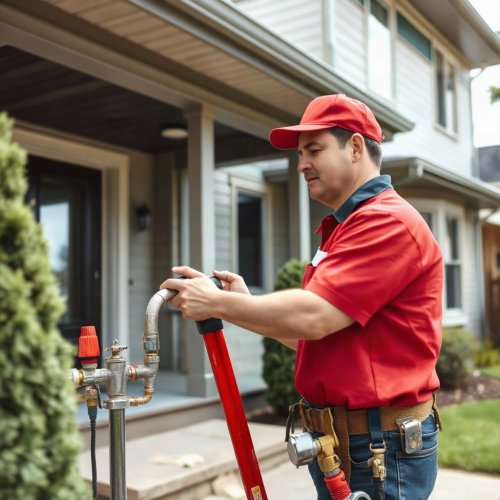
- Disconnect and Drain Outdoor Faucets: Remove any garden hoses attached to exterior hose bibs. Drain the remaining water from the hoses, coil them up, and store them for the season. If you have interior shut-off valves for your exterior faucets, turn them off and drain the outdoor lines.
- Seal Drafts and Air Leaks: Cold drafts creeping through foundation vents, dryer vents, or cracks around windows can cause nearby pipes to freeze. Use caulk and weatherstripping to seal gaps in areas where plumbing enters your home.
- Locate Your Main Water Shut-Off Valve: Know exactly where your main water shut-off valve is located and ensure it works smoothly. In the event of a sudden pipe burst, shutting off this valve immediately can minimize catastrophic indoor flooding.
How to Handle Sudden Freezing Weather
When sub-freezing temperatures grip Winston-Salem for a stretch of consecutive days, standard preventive measures might need extra reinforcement. Implement these temporary practices during severe cold snaps:
Let Faucets Trickle: When outdoor temperatures plunge into the teens, allow a slow drip from vulnerable faucets—especially those supplied by pipes running along exterior walls. Moving water is much harder to freeze than standing water.
Open Cabinet Doors: Kitchen and bathroom sinks located on exterior walls should have their under-sink cabinet doors opened during extreme cold. This allows warm indoor air to circulate around the supply lines and drain pipes.
Maintain Consistent Heat: Avoid turning down your thermostat drastically when you leave the house. Keep your home heated to a consistent temperature day and night to keep interior wall cavities warm.
Warning Signs of Frozen Pipes
Catching a frozen pipe before it bursts is the ultimate goal. Watch out for these common warning signs during freezing weather:
- Little to no water trickling or running when you turn on a faucet.
- Unusual frost or ice accumulation directly on exposed indoor pipes.
- Strange banging, whistling, or clanking noises when you open a tap.
- Foul or unusual odors coming from drains, which can happen if frozen lines disrupt venting.
If you suspect a pipe is frozen, act quickly. Never use an open flame, propane torch, or heat gun to thaw a pipe, as this creates a severe fire hazard and can cause the pipe to rupture from rapid pressure changes. Instead, use a hair dryer, wrapped heating pads, or towels soaked in warm water to gently warm the pipe starting from the faucet end and working backward.
When to Call a Professional Plumber
While DIY preventative measures go a long way, some situations require licensed professional intervention. If your pipes have already burst, if you cannot locate your main water shut-off valve, or if frozen sections are hidden deep inside walls or underground, it is time to call a qualified local plumbing professional. Professional plumbers have specialized thawing equipment, thermal imaging tools, and the expertise to repair damaged lines safely and efficiently.
Frequently Asked Questions
When should I start preparing my plumbing for winter in Winston-Salem?
It is best to complete your outdoor preparations and pipe insulation by late autumn, typically in October or November, before the first hard freeze arrives in the Piedmont region.
Are plastic PEX pipes less likely to freeze than copper?
PEX pipe has slightly more expansion capacity than rigid copper and is less prone to immediate bursting, but it can still freeze and fail under extreme cold conditions. Proper insulation is still necessary.
Should I turn off my water heater if I leave town for the winter?
If you are leaving your Winston-Salem home vacant for an extended period during winter, you should either winterize the entire plumbing system professionally or set your water heater to vacation mode while keeping the home's heating system running at a safe minimum temperature (around 55°F).
Conclusion
Preparing your plumbing for cold weather in Winston-Salem is a manageable maintenance task that protects your property from expensive emergency repairs. By insulating exposed lines, managing drafts, and knowing how to respond when temperatures plunge, you can safeguard your home's plumbing system all winter long. For complex winterization needs, stubborn frozen lines, or plumbing repairs, reach out to a trusted local plumbing professional to keep your home safe and dry.
Share
What's Your Reaction?
 Like
0
 Dislike
0
 Love
0
 Funny
0
 Angry
0
 Sad
0
 Wow
0