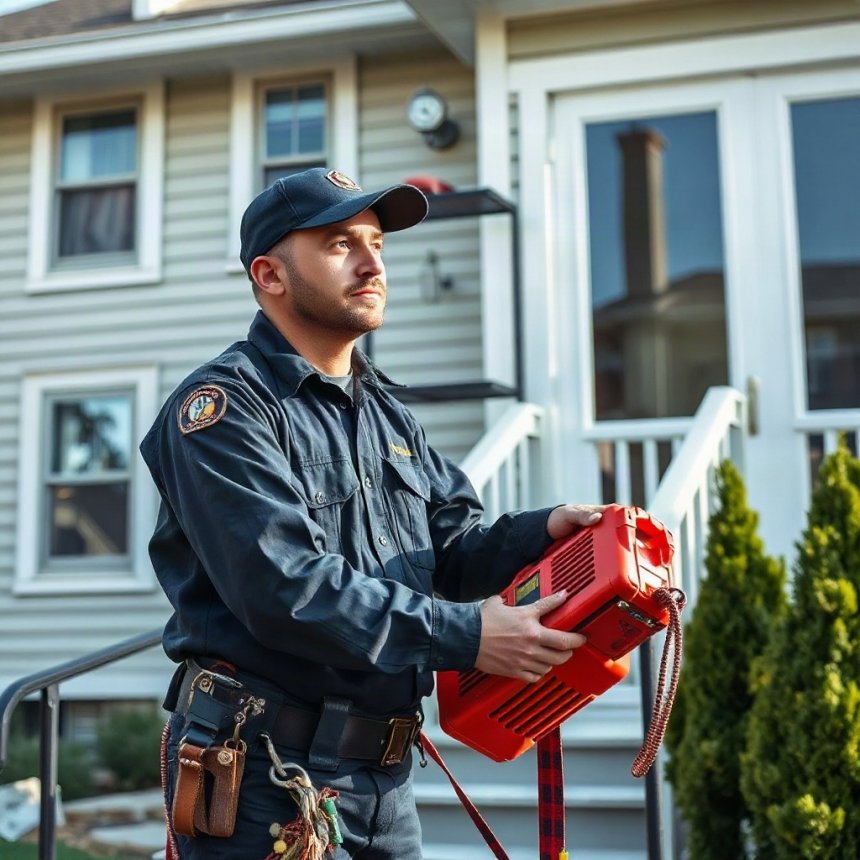
How to Prepare Plumbing for Heavy Rain | Winston-Salem NC
Learn how to prepare your plumbing for heavy rain in Winston-Salem, NC. Protect your home from sewer backups, flooded basements, and costly water damage.


Protecting Your Home: How to Prepare Plumbing for Heavy Rain
Here in Winston-Salem, North Carolina, severe weather can strike quickly. From heavy spring thunderstorms to tropical systems moving inland from the coast, severe downpours put immense pressure on local municipal sewer systems and private residential plumbing infrastructure. When torrential rains hit, water accumulates rapidly, overwhelming drainage networks and putting properties at high risk of basement flooding, sewage backups, and severe water damage.
With two decades of hands-on experience in the plumbing industry, I have seen firsthand the devastating impact that a severe storm can have on an unprepared home. Taking proactive measures before the skies open up is essential to safeguarding your property. This comprehensive guide details actionable steps you can take to protect your drainage systems, prevent water intrusion, and maintain functional plumbing when severe weather threatens Winston-Salem.
1. Inspect and Test Your Sump Pump
For homes with a basement or a below-grade crawlspace, the sump pump is the primary line of defense against heavy rain. If your pump fails during a major storm, groundwater can overwhelm your foundation within minutes.
Perform a Bucket Test: Pour a few gallons of water directly into the sump pit to ensure the float switch rises and the pump activates immediately. Once the water level drops, verify that the pump shuts off automatically.
Check the Discharge Line: Inspect the exterior discharge pipe to ensure water is flowing at least several feet away from your home's foundation. If the discharge point is too close, water will simply recycle back into the soil and seep right back down into your foundation.
Install a Battery Backup: Severe storms frequently knock out electrical power. A battery backup system ensures your sump pump will keep working even during a prolonged municipal power outage.
2. Clean Your Gutters and Downspouts
Roof drainage plays a massive role in plumbing and structural protection. When gutters and downspouts are clogged with leaves, twigs, and debris, rainwater spills over the edges and pools directly around your home’s foundation. This concentrated weight of water saturates the soil, increases hydrostatic pressure against foundation walls, and often forces water into basement window wells or floor drains.
Clear out your gutters thoroughly before storm season arrives, and attach flexible downspout extensions to direct roof runoff safely away from your house.
3. Install a Main Sewer Backwater Valve
During heavy rain events, municipal sewer mains in certain neighborhoods can reach full capacity. When this happens, municipal wastewater can reverse direction and travel backward through your lateral sewer line, surging up through your basement floor drains, showers, and toilets.
To prevent this unsanitary nightmare, consider having a licensed professional install a backwater valve. A backwater valve is a one-way mechanical gate that allows wastewater to exit your home freely while instantly snapping shut to block municipal sewage from surging backward into your plumbing fixtures during heavy municipal loads.
4. Inspect and Clear Outdoor Drains and Window Wells
Exterior surface drains, stairwell drains, and basement window wells are notorious choke points during heavy downpours. If leaves or sediment block these grates, water quickly pools against basement windows and exterior doors, leading to rapid indoor flooding.
Clear all debris, dirt, and organic matter from surface grates around your property.
Ensure window well covers are securely installed and in good condition to minimize the volume of water entering the wells.
Check that yard grading slopes away from your home's foundation rather than pooling near exterior walls.
5. Conserve Water During Severe Storms
When heavy rain is actively falling, your home's private drainage system is already working overtime to handle incoming groundwater and stormwater runoff. To reduce the risk of internal backups, try to minimize heavy water consumption while the storm passes.
Postpone running the dishwasher and clothes washer until the heavy rainfall subsides.
Take shorter showers and limit flushing when possible to reduce the overall volume of wastewater traveling through your main drain line.
When to Call a Professional Winston-Salem Plumber
While preventative maintenance goes a long way, some severe weather challenges require specialized equipment and professional expertise. You should contact a qualified plumber in Winston-Salem, NC if you notice any of the following warning signs:
Your sump pump runs continuously even after the rain stops, or fails to turn on during a storm.
Water begins bubbling up through your basement floor drains or lower-level toilets when it rains heavily.
You detect foul sewage odors emanating from your drains during or after severe weather.
Your main sewer line is sluggish, indicating potential root intrusion or structural damage that heavy rain has exacerbated.
Conclusion
Preparing your plumbing for heavy rain is one of the smartest investments a property owner can make. By taking proactive steps such as testing your sump pump, clearing your gutters, installing backwater valves, and managing outdoor drainage, you can protect your Winston-Salem home from expensive water damage and unsanitary sewage backups. Stay weather-aware, maintain your systems regularly, and never hesitate to reach out to local plumbing professionals when complex storm-prep challenges arise.
Share
What's Your Reaction?
 Like
0
 Dislike
0
 Love
0
 Funny
0
 Angry
0
 Sad
0
 Wow
0