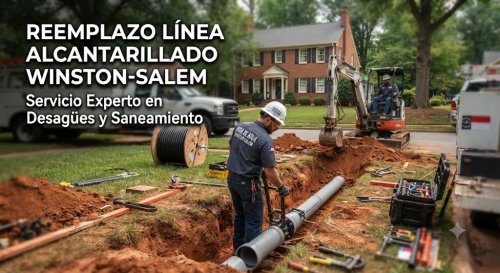
Main Sewer Line Cleaning in Winston-Salem, NC
Learn about main sewer line cleaning in Winston-Salem, NC, including common warning signs, causes of sewer clogs, cleaning methods, prevention tips, and when professional service is needed.

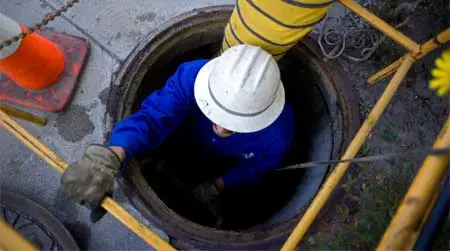
Main Sewer Line Cleaning in Winston-Salem, NC
The main sewer line is responsible for carrying wastewater away from a property and toward the connected sewer system. When this line becomes restricted or clogged, multiple drains and plumbing fixtures can begin showing problems at the same time.
Professional main sewer line cleaning in Winston-Salem, NC can help remove accumulated debris, grease, roots, and other obstructions that interfere with normal wastewater flow.
Unlike a simple sink or toilet clog, a main sewer line blockage can affect much of the plumbing system. Early attention can help prevent wastewater from backing up into the home.
What Is a Main Sewer Line?
The main sewer line is the primary drainage pipe that carries wastewater from a building toward the municipal sewer connection or another approved wastewater system.
Sinks, toilets, showers, tubs, washing machines, and other fixtures eventually connect to the property's larger drainage system.
Because the main sewer line handles wastewater from multiple fixtures, a blockage in this pipe can create widespread drainage problems.
Signs Your Main Sewer Line Needs Cleaning
Several warning signs can indicate a developing main sewer line blockage.
Common symptoms include:
- Multiple slow drains
- Several clogged fixtures
- Toilet water rising when another fixture is used
- Gurgling drains
- Sewage odors
- Water backing up into tubs or showers
- Repeated toilet clogs
- Slow drainage throughout the property
- Wastewater backup
- Unusual sounds from plumbing fixtures
One isolated slow drain may be caused by a local clog. Problems affecting several fixtures may indicate an issue farther down the drainage system.
Common Causes of Main Sewer Line Clogs
Grease and Fat Buildup
Grease can accumulate along the inside of sewer pipes. As the buildup increases, it can restrict wastewater flow and trap additional debris.
Tree Roots
Tree roots can enter damaged or poorly sealed sewer pipes and grow inside the line. Root intrusion can create significant restrictions.
Foreign Objects
Items that should not enter the drainage system can contribute to blockages.
Paper and Debris
Excessive amounts of unsuitable materials can contribute to sewer restrictions.
Pipe Deterioration
Older sewer lines may develop cracks, corrosion, broken sections, or other structural problems that make blockage more likely.
Soil and Sediment
Damaged underground pipes can allow soil and sediment to enter the drainage system.
Why Multiple Drains Become Slow
When several fixtures drain slowly at approximately the same time, the problem may not be located at an individual fixture.
A restriction in the main sewer line can affect wastewater flow from different parts of the property.
For example, flushing a toilet may cause water to rise in a shower drain if wastewater cannot move freely through the main drainage line.
Main Sewer Line Cleaning Process
A professional sewer cleaning service may follow several steps.
Initial Inspection
The plumber evaluates the symptoms and determines which fixtures are affected.
Drain Access
The appropriate access point, such as a cleanout, may be used to reach the sewer line.
Blockage Assessment
The plumber determines the likely type and location of the obstruction.
Mechanical Cleaning
Professional drain-cleaning equipment may be used to break apart and remove certain types of blockages.
Hydro Jetting
In suitable situations, high-pressure water cleaning may be considered to remove stubborn buildup from the inside of the pipe.
Testing
After cleaning, the drainage system is tested to confirm improved wastewater flow.
Hydro Jetting for Sewer Lines
Hydro jetting uses specialized equipment to send pressurized water through the sewer pipe.
It may help remove:
- Grease
- Sludge
- Organic buildup
- Certain debris
- Some root-related buildup
Hydro jetting is not appropriate for every damaged or fragile sewer line. The condition of the pipe should be considered before this method is used.
Mechanical Sewer Cleaning
Mechanical sewer cleaning uses specialized cables or other equipment to break through and remove certain obstructions.
This approach can be useful for some types of blockages, particularly when immediate access to the obstruction is needed.
The appropriate equipment depends on pipe size, blockage type, pipe condition, and accessibility.
Sewer Cleaning vs. Sewer Repair
Cleaning removes or breaks through an obstruction. Repair addresses physical damage to the pipe itself.
If a sewer line has cracks, collapsed sections, severe root intrusion, or other structural problems, cleaning alone may not provide a long-term solution.
In such cases, additional inspection may be recommended.
How Often Should a Main Sewer Line Be Cleaned?
There is no single schedule that works for every property.
Cleaning frequency can depend on:
- Age of the plumbing system
- Pipe material
- Tree root activity
- Previous blockage history
- Household usage
- Condition of the sewer line
- Type of wastewater system
Properties with recurring sewer problems may benefit from professional evaluation rather than repeated emergency cleaning.
Preventing Main Sewer Line Clogs
Homeowners can take several steps to reduce sewer problems.
Avoid flushing unsuitable materials and keep grease, cooking oils, and other problematic substances out of household drains.
It is also helpful to address slow drainage early instead of waiting until a complete blockage develops.
Properties with mature trees near underground sewer lines should also be monitored for possible root-related problems.
How Much Does Main Sewer Line Cleaning Cost?
The cost of sewer cleaning varies depending on the specific situation.
Factors may include:
- Location of the blockage
- Pipe length
- Pipe size
- Accessibility
- Type of obstruction
- Cleaning method
- Equipment required
- Whether additional inspection is necessary
A professional assessment can provide a more accurate understanding of the work required.
When to Call a Sewer Cleaning Professional
Professional service is recommended when:
- Multiple drains are clogged
- Sewage backs up into the property
- Toilets repeatedly overflow
- Drains produce strong sewer odors
- Cleaning attempts do not solve the problem
- The same blockage returns frequently
- Water backs up when another fixture is used
These symptoms may indicate a main sewer line issue rather than a simple fixture-level clog.
Frequently Asked Questions
What causes a main sewer line to clog?
Common causes include grease buildup, tree roots, debris, foreign objects, pipe deterioration, and sediment entering damaged pipes.
Can a main sewer line be cleaned without digging?
In many situations, sewer cleaning can be performed through an existing cleanout or access point without excavation. The available method depends on the plumbing layout.
Is hydro jetting safe for every sewer pipe?
No. Hydro jetting should be selected based on pipe condition and the type of blockage. A professional can determine whether it is appropriate.
Why does my sewer line keep clogging?
Recurring blockages may be caused by roots, structural pipe damage, persistent buildup, or another underlying problem.
Does sewer cleaning repair damaged pipes?
No. Cleaning removes obstructions but does not necessarily repair cracked, collapsed, or severely damaged pipes.
Final Thoughts
A blocked main sewer line can affect multiple plumbing fixtures and may eventually result in wastewater backup. Recognizing early warning signs can help homeowners address drainage problems before they become more disruptive.
Professional main sewer line cleaning in Winston-Salem, NC can help remove suitable blockages and improve wastewater flow. When recurring problems occur, additional sewer inspection may be necessary to determine whether an underlying pipe problem is responsible.
Share
What's Your Reaction?
 Like
0
 Dislike
0
 Love
0
 Funny
0
 Angry
0
 Sad
0
 Wow
0