Sewer Root Removal in Winston-Salem, NC
Learn about sewer root removal in Winston-Salem, NC, including signs of root intrusion, causes, removal methods, sewer inspection, repair options, prevention, and maintenance.

Sewer Root Removal in Winston-Salem, NC
Tree roots and underground sewer lines can create serious plumbing problems when roots find their way into cracks, joints, or other openings in a sewer pipe. Once inside, roots can grow and collect additional debris, gradually restricting wastewater flow.
Professional sewer root removal in Winston-Salem, NC can help clear root growth from affected sewer lines and restore better drainage. However, removing roots from inside a pipe does not always correct the underlying structural problem. If the pipe is cracked, separated, or damaged, additional sewer repair may be necessary.
What Is Sewer Root Intrusion?
Sewer root intrusion occurs when tree or plant roots enter an underground sewer pipe.
Roots naturally seek water and nutrients. A damaged or poorly sealed sewer pipe can provide an entry point.
Once roots enter the pipe, they can continue growing and create a network of material that catches toilet paper, grease, sludge, and other debris.
This can gradually reduce the space available for wastewater to flow.
Signs of Tree Roots in a Sewer Line
Root intrusion can produce several warning signs.
Common symptoms include:
- Repeated sewer clogs
- Slow drains throughout the property
- Frequent toilet backups
- Gurgling drains
- Sewage odors
- Water backing up into showers
- Recurring main sewer problems
- Drainage problems that return after cleaning
- Unusual wet areas near underground sewer lines
Recurring blockages are particularly important because roots may continue growing after a temporary blockage has been cleared.
How Tree Roots Enter Sewer Pipes
Roots generally need an opening to enter a sewer line.
Potential entry points include:
- Cracked pipe sections
- Loose joints
- Separated connections
- Damaged pipe walls
- Deteriorated seals
A healthy, intact pipe generally provides fewer opportunities for roots to enter.
Why Sewer Root Problems Keep Coming Back
Removing visible root growth can restore flow temporarily, but roots may return if the entry point remains.
For this reason, recurring root-related sewer problems should be investigated to determine whether the pipe itself needs repair.
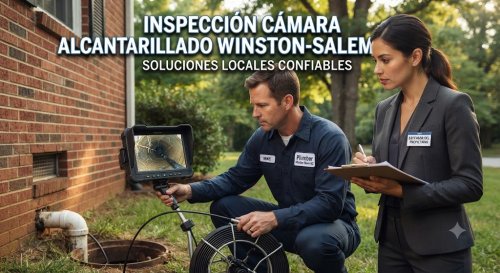
A sewer camera inspection can help identify where roots are entering and whether there is visible structural damage.
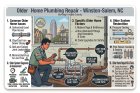
Sewer Root Removal Process
Initial Inspection
A plumber evaluates the symptoms and determines whether root intrusion is likely.
Sewer Camera Inspection
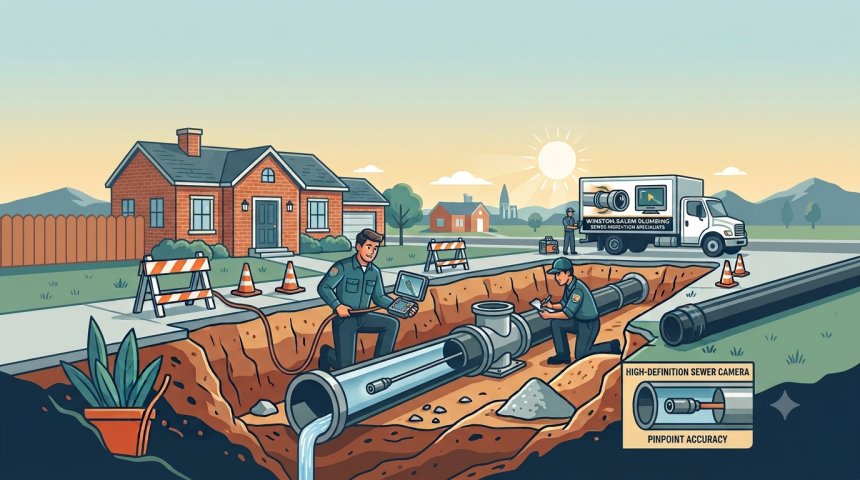
A camera may be used to examine the inside of the sewer pipe and locate root growth.
Root Removal
Professional equipment can be used to cut or remove roots from the affected section.
Sewer Cleaning
Additional cleaning may be performed to remove loosened debris and buildup.
Pipe Evaluation
The sewer line can then be evaluated for cracks, separated joints, or other damage.
Repair Recommendation
If the pipe is structurally compromised, repair or replacement may be recommended.
Mechanical Root Cutting
Mechanical equipment can be used to cut roots inside certain sewer pipes.
This method may restore wastewater flow by removing the root material that is restricting the pipe.
However, root cutting does not necessarily repair cracks or openings through which roots entered.
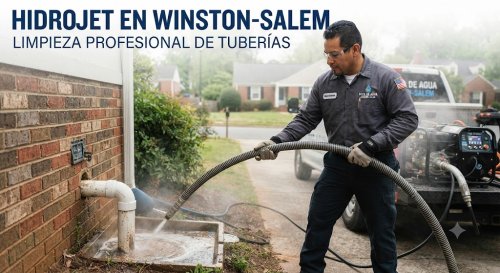
Hydro Jetting for Root Removal
Hydro jetting uses high-pressure water to clean the inside of suitable sewer pipes.
It can help remove certain root-related buildup along with grease and other debris.
Before hydro jetting is used, the condition of the sewer pipe should be considered. A damaged or fragile pipe may require a different approach.
Sewer Camera Inspection After Root Removal
A camera inspection can provide useful information after root removal, particularly when the problem has been recurring.
It may help show whether roots have been removed and whether visible cracks, separated joints, or other defects remain.
Can Sewer Roots Damage Pipes?
Yes. Root growth can contribute to ongoing stress and obstruction inside a sewer pipe.
More importantly, roots entering a pipe generally indicate that an opening or weakness already exists.
If the underlying pipe problem remains unresolved, root intrusion may return.
Sewer Root Removal vs. Sewer Pipe Replacement
Root removal and sewer pipe replacement are different solutions.
Root removal focuses on clearing the obstruction and restoring flow.
Sewer replacement addresses the physical condition of the pipe itself.
Replacement may be considered when:
- The pipe has significant cracks
- Joints are repeatedly separating
- Root intrusion is severe
- The pipe has collapsed
- Previous cleaning has provided only temporary results
- The sewer line has widespread deterioration
A professional inspection can help determine which option is appropriate.
Can Tree Removal Solve Sewer Root Problems?
Removing a nearby tree does not necessarily solve an existing sewer line problem.
Roots can remain in the soil and continue affecting underground plumbing for some time. The condition of the sewer pipe itself should be evaluated.
The best solution depends on the location and condition of the affected sewer line.
Preventing Sewer Root Intrusion
Complete prevention is not always possible, but homeowners can reduce the risk of major problems by monitoring their sewer system.
Helpful practices include:
- Address recurring sewer clogs early
- Schedule professional inspection when root intrusion is suspected
- Avoid ignoring slow drains
- Monitor trees near underground plumbing
- Maintain accessible sewer cleanouts
- Consider periodic inspection for properties with recurring root problems
How Much Does Sewer Root Removal Cost?
The cost varies based on the location and severity of the root intrusion.
Factors may include:
- Amount of root growth
- Sewer pipe size
- Location of the affected section
- Access to the sewer line
- Cleaning method
- Equipment required
- Whether pipe repair is needed
- Whether excavation is necessary
A simple root-clearing service can require different work from a sewer line that needs structural repair.
When to Call a Plumber
Professional sewer root removal may be appropriate when:
- Sewer clogs repeatedly return
- Toilets back up frequently
- Several drains are affected
- Root intrusion is suspected
- Drain cleaning provides only temporary relief
- There are signs of underground sewer damage
- Sewage odors continue after cleaning
A professional can determine whether roots are actually responsible for the problem.
Frequently Asked Questions
How do tree roots get into sewer lines?
Roots can enter through cracks, damaged joints, separated connections, or other openings in underground sewer pipes.
Can sewer roots be removed?
Yes. Professional equipment can remove root growth from many accessible sewer lines.
Will root removal permanently fix a sewer line?
Not necessarily. If roots entered through a crack or damaged joint, the underlying pipe problem may remain.
Can hydro jetting remove sewer roots?
Hydro jetting may help remove certain root growth and buildup when the sewer pipe is suitable for high-pressure cleaning.
How do I know if tree roots are in my sewer line?
Recurring clogs, backups, slow drains, and problems that return after cleaning can indicate root intrusion. A sewer camera inspection can provide more direct information.
Final Thoughts
Tree root intrusion can cause recurring sewer clogs and drainage problems. While professional root removal can restore wastewater flow, repeated problems may indicate cracks, damaged joints, or other sewer line issues.
Professional sewer root removal in Winston-Salem, NC can help clear root growth and identify whether additional sewer repair is needed. Camera inspection and proper maintenance can also help property owners understand the condition of their underground sewer lines.
Share
What's Your Reaction?
 Like
0
 Dislike
0
 Love
0
 Funny
0
 Angry
0
 Sad
0
 Wow
0