Water Leak Repair in Winston-Salem, NC
Get professional water leak repair in Winston-Salem, NC. Learn about common leak signs, causes, detection methods, repair options, prevention tips, and when to call a professional plumber

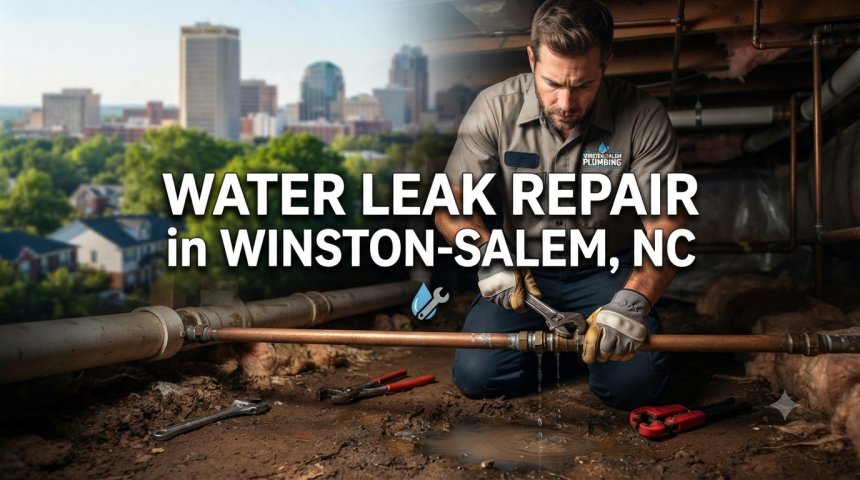
Water Leak Repair in Winston-Salem, NC
Water leaks are among the most common plumbing problems affecting homes and businesses. A small drip may appear harmless at first, but even a minor leak can waste water, increase utility bills, damage walls and flooring, and contribute to mold or mildew growth. When a leak occurs inside a wall, beneath a floor, in a crawl space, or underground, the problem can become even more difficult to identify.
Professional water leak repair in Winston-Salem, NC helps homeowners and businesses identify the source of unwanted water, determine the cause, and repair the affected plumbing system. Prompt attention can prevent a small plumbing problem from becoming an expensive property repair.
Whether you notice a dripping faucet, a wet spot on the ceiling, unexplained moisture, low water pressure, or an unusually high water bill, it is important to investigate the possibility of a plumbing leak.
What Is a Water Leak?
A water leak occurs when water escapes from a plumbing system through a damaged, cracked, loose, or deteriorated component. Leaks can happen in visible plumbing fixtures as well as hidden pipes.
Some leaks are easy to identify. For example, water dripping from a faucet or leaking underneath a sink can usually be seen quickly. Other leaks may remain hidden for days or weeks because the plumbing is located behind walls, below floors, inside ceilings, or underground.
Hidden leaks can be particularly damaging because water may continue accumulating before the homeowner notices a problem.
Common Signs of a Water Leak
Recognizing the early signs of a leak can help reduce damage and repair costs. Common warning signs include:
- Unexpected increases in water bills
- Damp or wet walls
- Water stains on ceilings
- Peeling paint
- Bubbling wallpaper
- Musty smells
- Mold or mildew
- Wet flooring
- Standing water
- Constant dripping sounds
- Reduced water pressure
- Cracks near walls or floors
- Water collecting underneath sinks
- Unexplained moisture around plumbing fixtures
A water meter can also provide useful information. If all water fixtures are turned off but the meter continues showing water usage, there may be a hidden leak somewhere in the plumbing system.
Common Causes of Water Leaks
Water leaks can develop for many different reasons. The exact cause depends on the plumbing system, age of the property, condition of the pipes, and location of the problem.
Aging Plumbing Pipes
Older pipes can deteriorate over time. Corrosion, mineral buildup, repeated pressure changes, and general wear can weaken pipe walls and eventually create leaks.
Loose Connections
Pipe joints, valves, and fittings can become loose or damaged. Even a small opening at a connection can allow water to escape continuously.
High Water Pressure
Excessive water pressure can put additional stress on pipes, fixtures, and connections. Over time, this may contribute to leaks or premature plumbing failure.
Damaged Fixtures
Faucets, toilets, shower components, washing machine connections, and other fixtures can develop leaks as seals and internal components wear out.
Frozen or Damaged Pipes
In colder weather, water inside pipes can freeze and expand. This expansion can place significant pressure on plumbing and potentially cause cracks or ruptures.
Tree Root Intrusion
Underground water lines can sometimes be affected by roots growing around or through damaged sections of plumbing. Root-related problems may require specialized inspection and repair.
Hidden Water Leaks
One of the most challenging plumbing problems is a hidden water leak.
A hidden leak may occur:
- Behind drywall
- Beneath flooring
- Inside ceilings
- Under cabinets
- In crawl spaces
- Beneath concrete slabs
- Along underground water lines
- Around water heaters
- Behind bathroom fixtures
Because the damaged pipe may not be visible, repairing the problem requires more than simply drying the affected area.
The plumber needs to locate the actual source of the water before determining the best repair method.
How Water Leak Detection Works
Professional leak detection generally begins with a visual inspection. The plumber may inspect accessible pipes, fixtures, valves, appliances, ceilings, floors, and walls.
If the source cannot be identified visually, additional diagnostic techniques may be considered.
Depending on the plumbing system and location of the suspected leak, a professional may use specialized equipment to narrow down the affected area.
The goal is to locate the leak as accurately as possible before beginning major repair work.
Why Early Leak Repair Matters
Ignoring a water leak can create several problems.
Property Damage
Continuous water exposure can damage drywall, flooring, cabinets, insulation, ceilings, and other building materials.
Mold and Mildew
Persistent moisture creates an environment where mold and mildew may develop. Addressing the source of moisture is an important part of preventing continued water damage.
Higher Water Bills
Even a small leak can waste water continuously. Over time, that wasted water can contribute to higher utility costs.
Structural Problems
Long-term water exposure can weaken certain building materials. In serious situations, repairs may extend beyond the plumbing itself.
More Expensive Repairs
A small pipe leak may be relatively straightforward to address when discovered early. If the problem continues for a long time, additional property damage can increase the overall repair requirements.
Water Leak Repair Process
The exact repair process depends on the location and severity of the leak, but a typical service may involve several steps.
Step 1: Inspection
The plumber first examines the visible plumbing system and looks for signs of water damage.
Step 2: Leak Detection
If the leak is hidden, appropriate diagnostic methods may be used to identify its location.
Step 3: Determine the Cause
After locating the leak, the plumber determines whether the issue is related to a damaged pipe, fitting, fixture, valve, connection, or another plumbing component.
Step 4: Shut Off the Water
The appropriate water supply may be turned off to prevent additional water from escaping during the repair.
Step 5: Repair or Replace the Damaged Component
Depending on the condition of the plumbing, the solution may involve repairing a connection, replacing a valve, repairing a pipe section, or replacing a larger portion of the plumbing system.
Step 6: Test the Repair
After the repair, the plumbing system should be tested to confirm that the leak has been resolved and that water is flowing properly.
Emergency Water Leak Repair
Some leaks require immediate attention. A burst pipe, rapidly flooding area, major supply-line leak, or serious ceiling leak can cause significant water damage in a short period.
In an emergency, homeowners should first try to shut off the appropriate water supply if it is safe to do so. Electrical hazards should also be taken seriously when water reaches electrical outlets, appliances, or wiring.
Professional emergency plumbing assistance can help identify the source and control the problem before additional damage occurs.
Water Leaks in Bathrooms
Bathrooms contain several water connections, including toilets, faucets, shower valves, supply lines, and drains.
Common bathroom leaks may occur around:
- Toilet supply connections
- Toilet tanks
- Faucets
- Shower valves
- Tub connections
- Sink supply lines
- Flexible hoses
- Cabinet plumbing
A bathroom leak should not be ignored simply because the amount of visible water appears small. Moisture underneath flooring or inside walls can cause problems that are not immediately visible.
Water Leaks in Kitchens
Kitchen plumbing includes sinks, faucets, dishwashers, garbage disposals, supply lines, and drainage components.
A leaking kitchen sink may result from a worn faucet, loose connection, damaged supply hose, or plumbing underneath the cabinet.
Because cabinets can hide plumbing problems, homeowners should periodically check underneath the sink for moisture, stains, swelling, or unusual odors.
Water Heater Leaks
Water heaters contain water under pressure and can develop leaks around the tank, connections, valves, or plumbing lines.
A small amount of water around a water heater should not automatically be considered normal. The source should be identified to determine whether a connection can be repaired or whether the unit may require replacement.
Outdoor and Underground Water Line Leaks
Not every water leak occurs inside a building.
A damaged underground water line can produce signs such as:
- Unusually wet areas in the yard
- Standing water
- Unexplained increases in water usage
- Reduced water pressure
- Patches of unusually green vegetation
- Water appearing near the foundation
Underground leaks may require specialized detection and repair techniques because the damaged section is not directly visible.
How to Reduce the Risk of Water Leaks
Regular plumbing maintenance can help identify potential problems before they become serious.
Homeowners can:
- Inspect visible pipes regularly
- Check underneath sinks
- Monitor water bills
- Repair dripping faucets
- Replace worn hoses
- Avoid excessive water pressure
- Check around water heaters
- Watch for moisture or stains
- Address low water pressure
- Schedule plumbing inspections when needed
It is also useful to know where the home's main water shutoff valve is located. In an emergency, shutting off the water quickly can help limit damage.
Water Leak Repair for Older Homes
Older homes may have plumbing components that have experienced years of wear. Pipes, valves, fittings, and connections can deteriorate gradually.
When repairing an older plumbing system, it is important to consider not only the immediate leak but also the overall condition of the surrounding plumbing.
If several sections are showing signs of deterioration, a larger repair or water line replacement may sometimes be more practical than repeatedly repairing individual leaks.
Choosing a Water Leak Repair Professional
When choosing a plumber in Winston-Salem, homeowners should consider experience, licensing requirements, service availability, communication, and the plumber's ability to diagnose the actual source of the problem.
A professional should explain the issue clearly and discuss the recommended repair before major work begins.
For hidden leaks, it is particularly important to choose a service provider with appropriate diagnostic experience and equipment.
How Much Does Water Leak Repair Cost?
The cost of water leak repair varies depending on several factors, including:
- Location of the leak
- Type of plumbing
- Severity of the damage
- Accessibility of the pipe
- Required materials
- Labor involved
- Whether the leak is underground
- Whether additional property damage occurred
A simple fixture repair may cost significantly less than repairing a hidden or underground water line. Because every plumbing situation is different, an inspection is generally needed to determine the appropriate repair and actual cost.
When Should You Call a Plumber?
You should consider professional plumbing assistance when:
- You cannot identify the source of a leak
- Water is accumulating quickly
- A pipe has burst
- Your water bill suddenly increases
- Water pressure changes unexpectedly
- You notice recurring dampness
- A ceiling or wall develops water stains
- You suspect an underground leak
- A water heater is leaking
- DIY repairs have not solved the problem
Trying to repair a hidden plumbing leak without identifying its source can sometimes make the situation worse.
Frequently Asked Questions
How do I know if I have a hidden water leak?
Signs may include unexplained water usage, damp areas, musty odors, stains, mold, low water pressure, or sounds of running water when all fixtures are turned off.
Can a small water leak cause major damage?
Yes. A small leak that continues for an extended period can damage building materials and create moisture-related problems.
Should I turn off my water if I discover a major leak?
If it is safe to do so, shutting off the appropriate water supply can help reduce additional water damage while professional assistance is arranged.
How long does water leak repair take?
Simple repairs may be completed relatively quickly, while hidden, underground, or extensive plumbing problems can require more time. The repair duration depends on the location and complexity of the leak.
Can a plumber find a leak behind a wall?
Yes. Professional plumbers can use inspection and leak-detection methods to help identify hidden plumbing leaks and determine where repair work is needed.
Does a high water bill always mean there is a leak?
Not necessarily. Increased water usage can have several causes, but an unexplained and significant increase can be a reason to inspect the plumbing system for possible leaks.
Final Thoughts
Water leaks should never be ignored simply because they appear minor. Early detection and professional water leak repair in Winston-Salem, NC can help protect a property from unnecessary water waste and damage.
From leaking fixtures and damaged connections to hidden wall leaks and underground water line problems, the appropriate solution depends on identifying the actual source of the water. Regular inspections, prompt repairs, and attention to warning signs can help homeowners maintain a safer and more reliable plumbing system.
If you notice unexplained moisture, water stains, unusual water usage, or a suspected plumbing leak, getting the problem evaluated promptly can help prevent a small leak from becoming a much larger repair.
Share
What's Your Reaction?
 Like
0
 Dislike
0
 Love
0
 Funny
0
 Angry
0
 Sad
0
 Wow
0