Energy & Space Benefits of Tankless Water Heaters
Discover the incredible energy efficiency and space-saving advantages of tankless water heaters for your property. Expert plumbing insights.

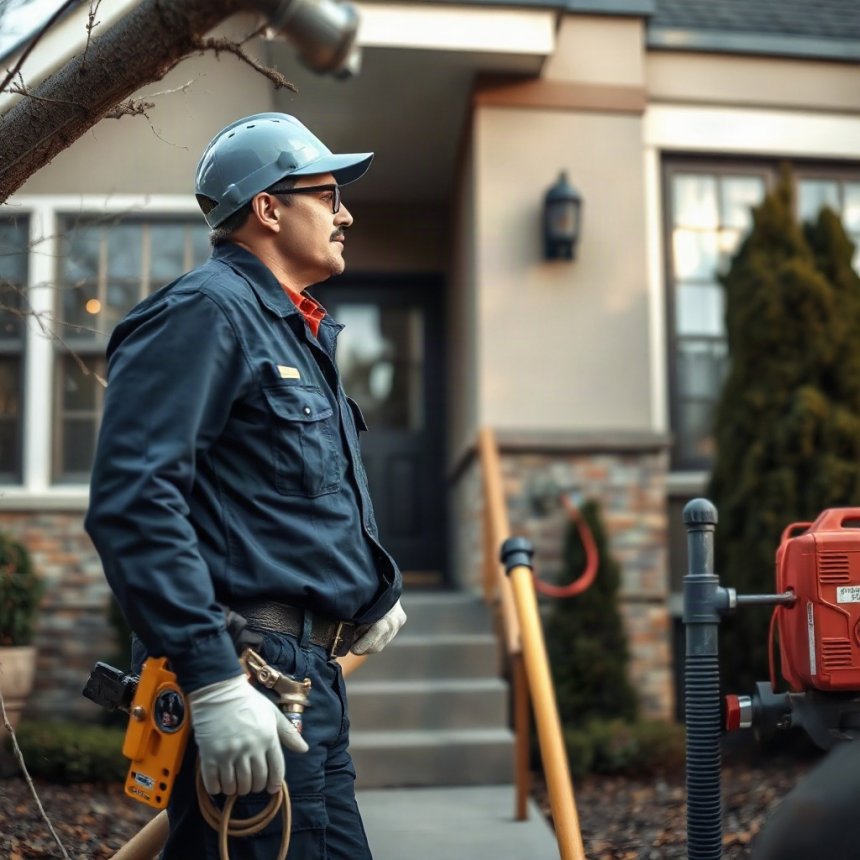
Understanding Tankless Water Heater Technology
When evaluating upgrades for your home or business plumbing system, transitioning from a traditional tank-style water heater to a modern tankless unit represents one of the most impactful decisions you can make. With two decades of hands-on experience in the plumbing industry, I have witnessed firsthand how upgrading to on-demand water heating transforms daily operations, lowers utility consumption, and frees up valuable square footage. While our primary roots are right here in Winston-Salem, North Carolina, the universal engineering advantages of tankless systems apply everywhere—whether you are looking at coastal properties down south or historic homes in the Piedmont Triad.
Traditional storage tank water heaters constantly consume energy to keep 40 to 80 gallons of water hot around the clock, regardless of whether anyone is home or using hot water. In contrast, tankless units heat water only when you turn on a faucet or appliance. This on-demand approach eliminates standby heat loss, introducing a dramatic shift in energy efficiency and physical spatial requirements.
The Major Energy Benefits of Going Tankless
Energy efficiency is typically the primary motivator for property owners investing in tankless water heating technology. Traditional tanks lose heat continuously through their walls, forcing the burner or heating elements to cycle on repeatedly throughout the day and night just to maintain a preset temperature. Tankless systems, however, remain completely idle when hot water is not requested.
- No Standby Heat Loss: Because water is heated instantly as it flows through a high-efficiency heat exchanger, energy is never wasted maintaining a large reservoir of standing hot water.
- Precise Modulation: Advanced electronic controls modulate gas burners or electric elements precisely to match the exact flow rate and desired temperature, preventing energy waste.
- Lower Utility Bills: By eliminating the constant cycling associated with standard tanks, most homeowners notice a noticeable reduction in their monthly energy consumption.
When professional plumbers install a tankless system, sizing it correctly for your household peak demand ensures that you get maximum efficiency without overloading the unit.
Reclaiming Real Estate: Space-Saving Advantages
Beyond utility savings, the physical footprint of a traditional water heater often frustrates homeowners and property managers. A standard 50-gallon tank occupies a massive footprint, typically consuming an entire closet, stealing valuable floor space in a garage, or crowding a utility room. Tankless units change this dynamic entirely.
Compact Wall-Mounted Design: Tankless water heaters are remarkably compact, roughly the size of a medium circuit breaker box or a small medicine cabinet, and mount directly to an interior or exterior wall.
Floor Space Liberation: Removing a bulky floor-standing tank opens up square footage that can be repurposed for storage, shelving, or simply a cleaner, less cluttered utility area.
Flexible Installation Options: Because they do not require a massive vertical footprint, tankless units can be installed in tight closets, crawlspaces, or even outdoors in milder climates, providing unmatched design flexibility for retrofits and new construction alike.
Comparing Tankless Efficiency to Traditional Storage Tanks
To fully appreciate the benefits of tankless technology, it helps to examine how they stack up against conventional water heaters across key performance indicators.
| Feature | Traditional Tank Water Heater | Tankless Water Heater |
|---|---|---|
| Space Requirement | Large floor-standing footprint (approx. 5-10 sq. ft.) | Compact wall-mounted unit (hangs flush) |
| Standby Energy Loss | High (maintains heat 24/7) | Zero (heats on demand only) |
| Lifespan | 8 to 12 years | 15 to 20+ years with proper maintenance |
| Hot Water Supply | Limited by tank capacity | Endless continuous supply |
Long-Term Value and Maintenance Considerations
While the initial equipment and installation cost of a tankless water heater is generally higher than replacing a conventional tank like-for-like, the long-term return on investment is substantial. Between lower monthly energy bills, an extended operational lifespan—often lasting twice as long as traditional tanks—and the reclamation of valuable interior space, tankless systems pay dividends over time.
However, protecting this investment requires proper maintenance. Mineral scale buildup from hard water can diminish the efficiency of the internal heat exchanger. Scheduling an annual flush with a licensed professional plumber helps remove sediment, keeping your unit running at peak efficiency for years to come.
Frequently Asked Questions
Do tankless water heaters provide instant hot water?
Tankless units heat water almost instantly as it flows through the system, but it still takes a few seconds for that hot water to travel through your plumbing pipes from the unit to the faucet. Installing a dedicated recirculation pump can minimize this wait time.
Are tankless water heaters more expensive to install?
Yes, the upfront installation cost is typically higher due to the specialized venting, potential gas line upgrades, or electrical modifications required to handle the high electrical draw or gas BTU output needed for on-demand heating.
Can I install a tankless water heater myself?
Due to complex gas line sizing, dedicated electrical circuits, and specific venting requirements, tankless water heater installation should always be performed by a qualified, licensed plumbing professional to ensure safety and code compliance.
Conclusion
Upgrading to a tankless water heater offers a compelling combination of superior energy efficiency and radical space savings. By eliminating standby heat loss and replacing bulky floor tanks with compact wall-mounted units, property owners enjoy lower utility bills, endless hot water, and valuable reclaimed square footage. If you are considering upgrading your water heating system or need professional plumbing services, consulting an experienced plumbing contractor ensures your new system is sized and installed correctly for optimal performance.
Share
What's Your Reaction?
 Like
0
 Dislike
0
 Love
0
 Funny
0
 Angry
0
 Sad
0
 Wow
0