When to Schedule a Professional Plumbing Inspection in Winston-Salem
Learn when to schedule a professional plumbing inspection in Winston-Salem, NC. Protect your home with expert tips from seasoned plumbing professionals.

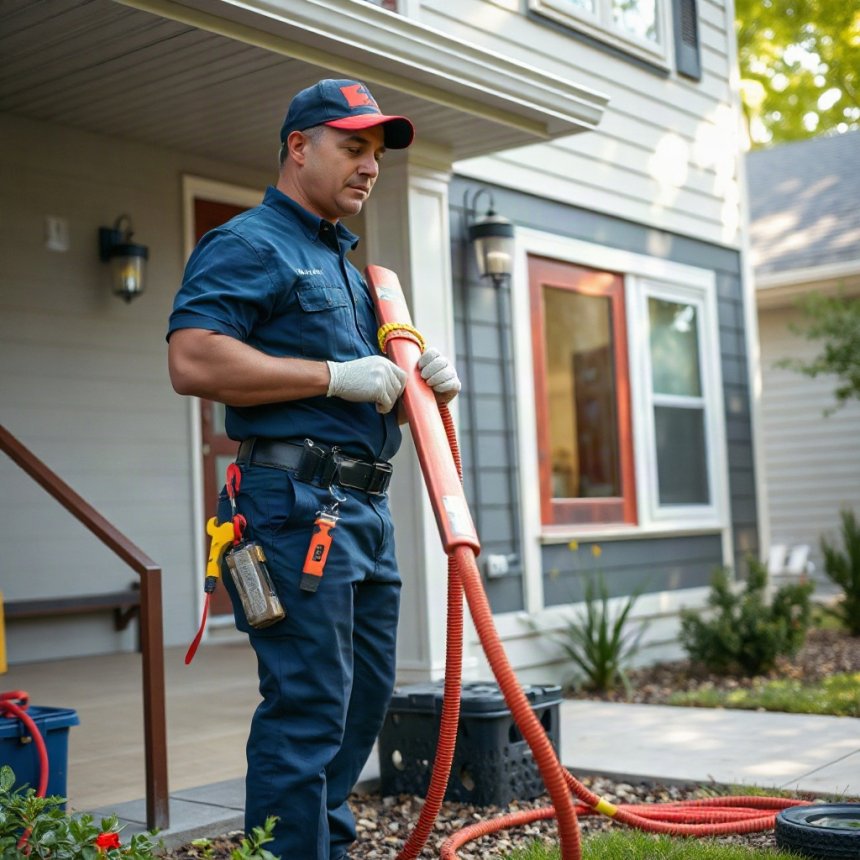
Understanding the Importance of a Professional Plumbing Inspection
As a seasoned plumbing professional with decades of hands-on experience in the field, I have seen firsthand how small, hidden plumbing issues can transform into catastrophic and expensive home disasters. Many homeowners in Winston-Salem, North Carolina, adopt an out-of-sight, out-of-mind mentality when it comes to their water supply and drainage networks. Because pipes run behind drywall, beneath concrete slabs, and deep underground, it is easy to assume everything is operating smoothly until a pipe bursts or a drain backs up completely.
Scheduling a professional plumbing inspection is one of the most proactive measures a property owner can take. Rather than waiting for an emergency plumbing crisis to strike, a routine comprehensive evaluation allows experts to spot minor wear and tear, corrosion, hidden leaks, and failing fixtures before they cause extensive water damage. Whether you reside in a historic home near downtown Winston-Salem or a newer construction in the suburbs, understanding the right timeline for professional evaluations ensures the longevity and safety of your property's infrastructure.
Key Indicators That You Need an Immediate Plumbing Inspection
While routine scheduled evaluations are ideal, certain warning signs require immediate attention from a qualified plumbing contractor. If you notice any of the following symptoms around your home, do not wait for your scheduled maintenance window—call for professional plumbing services right away:
- Unexplained Spikes in Water Bills: If your monthly municipal water utility bill rises significantly without any changes in your household usage, you likely have a hidden water leak behind a wall or underground.
- Sudden Drop in Water Pressure: A persistent drop in pressure across multiple faucets often points to mineral buildup, pipe corrosion, or a compromised supply line.
- Foul Odors: Persistent sewage smells or musty, damp odors near floors and walls usually indicate cracked drain lines or trapped moisture leading to mold growth.
- Slow Drains Throughout the House: While a single clogged sink is normal, multiple slow-draining fixtures suggest a deeper issue within your main sewer line.
- Discolored Water: Brown, yellow, or rust-colored water coming from your taps indicates internal pipe corrosion or sediment buildup inside your water heater tank.
Recommended Timeline for Routine Plumbing Evaluations
Knowing exactly when to schedule a professional plumbing inspection depends heavily on the age of your home, the materials used in your piping system, and your local environmental conditions here in North Carolina. Here is a practical framework to help property owners plan their plumbing maintenance schedule effectively:
Annual Preventative Checks
An annual checkup is recommended for homes that are over twenty years old, or properties equipped with older galvanized steel or polybutylene piping. During an annual visit, a licensed plumber will thoroughly examine your water heater, test water pressure levels, inspect accessible shut-off valves, and run diagnostic tests on all visible supply and drain lines.
Every Three to Five Years for Newer Homes
If your property is relatively modern and utilizes durable materials like cross-linked polyethylene (PEX) or copper, a comprehensive professional inspection every three to five years is typically sufficient. However, routine self-checks, such as inspecting under sinks and monitoring your water meter, should still be performed quarterly.
When Buying or Selling a Real Estate Property
Real estate transactions represent one of the most critical times to schedule a dedicated plumbing inspection. Standard home inspector evaluations often overlook internal pipe conditions, sewer line integrity, and water heater lifespan. A specialized evaluation conducted by a qualified local plumber provides home buyers and sellers with absolute clarity on the true condition of the home's water and drainage network.
Prior to Major Home Renovations
Before remodeling a kitchen or bathroom in Winston-Salem, always schedule an infrastructure review. Remodeling often places heavier demands on existing supply lines and older drainage stacks. Ensuring your current system can handle upgraded appliances prevents costly tear-outs later.
What to Expect During a Professional Plumbing Inspection
Homeowners often hesitate to schedule maintenance because they are unsure of what the process entails. A thorough professional plumbing inspection is a non-invasive, highly technical process designed to assess the absolute health of your system. Here is what a comprehensive evaluation typically covers:
The Long-Term Value of Preventative Plumbing Maintenance
Investing in regular plumbing inspections offers incredible financial and peace-of-mind benefits. Catching a failing water heater a month before it ruptures saves your living room or basement from thousands of dollars in water remediation costs. Similarly, identifying a minor slab leak or a cracked drain line early minimizes structural damage and protects your property value.
For residential homeowners, landlords, and commercial property managers alike, staying ahead of maintenance prevents emergency service calls during inconvenient times like holidays, weekends, or freezing winter nights.
Frequently Asked Questions
How long does a standard plumbing inspection take?
Most standard residential plumbing inspections take between one to two hours, depending on the size of the property, the accessibility of the piping, and whether a specialized sewer camera scope is required.
Can I inspect my own plumbing instead of hiring a professional?
While homeowners can easily perform visual checks—such as looking for dampness under sinks or listening for running toilets—they lack the specialized tools, thermal cameras, and hydrostatic pressure gauges required to detect hidden leaks, internal pipe corrosion, and underground sewer line failures.
Does a home inspection cover the plumbing system adequately?
Standard home inspections generally provide only a surface-level visual check of visible plumbing fixtures. They rarely include internal pipe evaluations, pressure testing, or sewer scoping, which is why a dedicated plumbing inspection by a qualified professional is always recommended.
Conclusion
Knowing when to schedule a professional plumbing inspection is a vital part of responsible property ownership. By recognizing warning signs early, adhering to recommended inspection timelines for your home's age, and partnering with experienced local professionals, you protect your property from unexpected disasters. Whether you are maintaining a family home or managing commercial real estate in Winston-Salem, North Carolina, proactive maintenance ensures your plumbing system remains reliable, efficient, and safe for years to come.
Share
What's Your Reaction?
 Like
0
 Dislike
0
 Love
0
 Funny
0
 Angry
0
 Sad
0
 Wow
0