DIY Trap Primer Water Replacement to Stop Sewer Odors
Learn how to perform a DIY trap primer water replacement to stop foul sewer odors in your home. Expert plumbing tips for lasting freshness.


Understanding Trap Primers and Sewer Odors
Every plumbing fixture in your home—from floor drains in the basement to rarely used guest bathroom showers—relies on a P-trap to block hazardous sewer gases from entering your living space. This curved section of pipe holds a specific amount of water known as the trap seal. However, in areas that do not receive regular water usage, this water can easily evaporate over time. When the water seal dries out, sewer gas escapes, resulting in unpleasant, sulfur-like odors wafting through your home. For homeowners in Winston-Salem, North Carolina, dealing with seasonal humidity changes and dry indoor heating can accelerate this evaporation process.
A trap primer is a mechanical or electronic device designed to automatically deliver small amounts of water to these P-traps, maintaining the necessary seal. When a trap primer fails or the line runs dry, a DIY trap primer water replacement or manual priming becomes necessary to eliminate the smell and protect your indoor air quality.
Recognizing the Signs of a Dry Trap Primer
Catching a dry P-trap early saves you from unnecessary frustration. Here are the primary warning signs that indicate your trap primer needs attention:
- Foul Sulfur Odors: A distinct, rotten-egg smell resembling sewage near floor drains, laundry rooms, or utility sinks.
- Infrequent Fixture Usage: Floor drains in mechanical rooms or guest showers that are rarely flushed with fresh water.
- Pest Activity: Tiny drain flies or sewer gnats hovering around dry floor drains because the lack of water lets them travel up from the municipal sewer lines.
- Gurgling Sounds: Occasional bubbling or gurgling when nearby plumbing fixtures drain, indicating pressure imbalances in dry vent and trap systems.
Step-by-Step Guide to Manual Trap Primer Water Replacement
If your automated trap primer system is malfunctioning or if your home lacks an automatic primer line for a specific floor drain, you can perform a manual water replacement to restore the barrier against sewer gases. Follow these practical steps:
1. Locate the Problematic Drain
Identify the exact floor drain, utility sink, or shower drain emitting the foul odor. In many Winston-Salem homes, these are commonly found in basements, laundry rooms, or unfinished utility spaces.
2. Clear Debris and Sediment
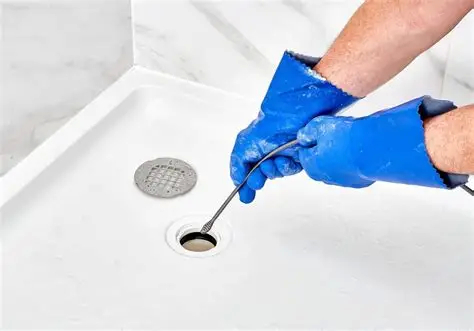
Remove the drain cover using a screwdriver if it is screwed down. Clear away any hair, soap scum, dust, or construction debris accumulated inside the drain opening using a gloved hand or a small brush. A clean drain allows water to pool correctly inside the P-trap.
3. Pour Fresh Water into the Trap
Slowly pour a large pitcher of clean water directly into the drain. For a standard residential floor drain, about one to two quarts of water is usually sufficient to fill the P-trap completely and reestablish the liquid barrier.
4. Add a Protective Mineral Oil Layer
Because standing water in rarely used drains evaporates quickly, professional plumbers recommend pouring a tablespoon of mineral oil or vegetable oil on top of the water inside the drain. Unlike water, oil does not evaporate. It forms a thin, floating barrier that locks the water underneath in place, drastically extending the time between manual water replacements.
5. Reinstall the Drain Cover
Securely replace the drain grate or cover to prevent large objects or debris from falling back into the newly sealed trap.
Preventing Future Sewer Odors
Maintaining a fresh-smelling home requires consistent habits, especially regarding auxiliary plumbing fixtures. Implement these prevention strategies to keep your P-traps full year-round:
- Routine Flushing: Make it a monthly habit to pour a gallon of water down every unused floor drain, basement shower, and utility sink in your property.
- Inspect Automated Systems: If you have an electronic or pressure-drop trap primer connected to your water supply line, check it periodically to ensure it is actively releasing water during home water usage cycles.
- Monitor Humidity Levels: Indoor climate control systems can dry out stagnant water quickly. Keep an eye on ambient conditions in utility rooms.
When to Call a Professional Plumber
While manual water replacement is an effective temporary or routine DIY fix, persistent sewer odors often point to deeper plumbing issues. You should contact a qualified plumbing contractor in Winston-Salem, North Carolina, if you notice any of the following complex situations:
- The sewer odor returns within a day or two after adding water, indicating a cracked P-trap or a damaged drain line.
- Your automated trap primer is completely broken, leaking, or blocked behind finished walls and requires professional repair or replacement.
- You suspect a broken or cracked sewer vent stack, which prevents the entire drainage system from venting properly.
- Gurgling fixtures are accompanied by slow-draining sinks or toilets, signaling a main sewer line blockage.
Frequently Asked Questions
How often should I perform a trap primer water replacement?
For drains that are never used, you should manually add water and a few drops of mineral oil every one to two months to prevent evaporation.
Can I use bleach instead of water?
No. Pouring harsh chemicals like pure bleach down an unused drain can damage rubber gaskets, corrode older metal pipes, and does not stop water from eventually evaporating. Plain water combined with mineral oil is the safest and most effective method.
Why does my floor drain smell like sewage even after I poured water down it?
If the odor persists immediately after filling the trap, the issue might not be a dry P-trap. It could be a missing P-trap entirely, a damaged vent pipe, or a broken sewer line that requires professional diagnostic testing.
Conclusion
Dealing with unexpected sewer odors can be stressful, but understanding how to perform a DIY trap primer water replacement gives you a quick and effective solution. By routinely maintaining your unused floor drains and adding a protective layer of mineral oil, you can keep your home fresh and comfortable. For complex plumbing issues or persistent drainage concerns across Winston-Salem, always rely on experienced professionals to diagnose and resolve your underlying plumbing challenges safely.
Share
What's Your Reaction?
 Like
0
 Dislike
0
 Love
0
 Funny
0
 Angry
0
 Sad
0
 Wow
0