How to Diagnose Buried Pipe Cracks with Video Inspection
Learn how video inspection accurately diagnoses buried pipe cracks. Discover the process, warning signs, and professional solutions for your plumbing system.

Understanding Buried Pipe Cracks and Modern Detection
Dealing with a damaged underground plumbing line is one of the most stressful challenges a property owner can face. Traditional methods of finding underground leaks or breaks often involved extensive and destructive excavation of landscaping, driveways, or building foundations. Fortunately, modern plumbing technology has revolutionized how professionals pinpoint subsurface issues. Utilizing advanced sewer camera technology allows plumbing technicians to look directly inside underground lines without guesswork. Whether you manage a commercial property or own a residential home, understanding how video inspection works helps you address buried pipe cracks efficiently before they escalate into catastrophic failures.
What Causes Underground Pipe Cracks?
Buried water and sewer lines endure immense stress from various environmental and structural factors over time. Recognizing these underlying causes helps property owners anticipate potential vulnerabilities in their underground infrastructure.
- Soil shifting and settling: Ground movement caused by weather changes, heavy construction nearby, or natural soil consolidation puts intense pressure on rigid or aging pipes.
- Tree root intrusion: Tree roots naturally seek out moisture sources. Even tiny micro-cracks or loose joints invite roots to infiltrate, expand, and eventually fracture the pipe wall entirely.
- Material aging: Older materials such as clay, cast iron, or Orangeburg pipe degrade structurally after decades of service, leading to widespread cracking and structural collapse.
- Excessive surface load: Heavy vehicle traffic driving over shallowly buried lines can crush or fracture vulnerable underground conduits.
Warning Signs That Indicate a Damaged Underground Pipe
Pipes hidden beneath the ground or concrete slabs rarely fail without giving subtle warning signs first. Catching these indicators early can save you from severe property damage and costly emergency repairs.
- Unexplained increases in your water bill: A sudden spike in water usage without a change in habits often points to a hidden leak underground.
- Soggy patches or sinkholes in the yard: Water escaping from a cracked buried pipe saturates the surrounding soil, creating spongy areas or depressions in your landscaping.
- Frequent slow drains or backups: When a pipe cracks, structural misalignment or collapsed segments obstruct wastewater flow, causing multiple fixtures to drain sluggishly.
- Foul odors: Cracks in underground sewer lines allow sewer gases to seep up through the soil, producing unpleasant smells around your property.
- Foundation cracks or shifting: Severe leaks beneath a concrete slab can erode sub-base soils, leading to structural settling and interior wall cracks.
The Video Inspection Process: Step-by-Step
When you call a professional plumber to investigate a suspected underground issue, sewer camera inspection is the gold standard for accurate diagnostics. Here is how professional technicians execute the process:
- Accessing the line: The technician locates an existing cleanout or access point to enter the plumbing system without digging.
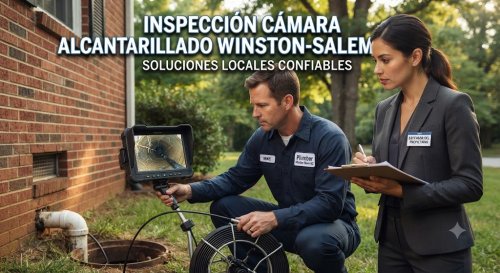
- Inserting the camera: A high-resolution, waterproof camera attached to a flexible, pushable fiber-optic rod is fed directly into the buried pipe.
- Navigating and recording: As the camera travels through the line, it transmits real-time video footage to a monitor, allowing the technician to inspect the interior walls closely.
- Pinpointing location and depth: Most modern inspection systems feature a sonde—a small radio transmitter built into the camera head. The technician uses a surface receiver to track the exact geographic location and depth of the camera above ground, pinpointing the exact spot of the crack.
- Analyzing structural integrity: The recorded video provides clear visual evidence of cracks, offsets, corrosion, roots, or collapses, enabling the plumber to recommend the most effective repair strategy.
Benefits of Choosing Video Inspection Over Guesswork
Opting for professional video pipe inspection offers immense advantages over traditional diagnostic methods:
- No unnecessary digging: Technicians can identify the precise location of a defect, sparing your lawn, hardscaping, and flooring from destructive exploratory excavation.
- Absolute accuracy: Visual confirmation removes guesswork, ensuring that repairs target the exact problem area rather than a generalized section of pipe.
- Cost-effectiveness: By pinpointing the exact issue quickly, labor hours are reduced, and material waste is minimized.
- Comprehensive assessment: A camera run reveals not just the primary crack, but also secondary issues such as scaling, grease buildup, or minor root intrusions elsewhere in the system.
Professional Repair Solutions for Buried Pipe Cracks
Once video inspection confirms the location and severity of a buried pipe crack, your plumber will outline the best remediation options available for your specific situation.
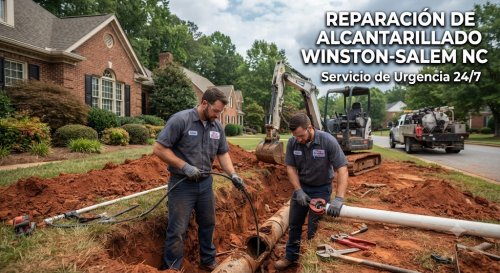
- Spot repair excavation: For severe structural collapses or isolated cracks, targeted excavation at the precise marked location allows technicians to cut out and replace the damaged section.
- Trenchless pipe lining: If the surrounding pipe structure remains largely intact, a structural epoxy resin liner can be pulled or blown into the damaged pipe and inflated, curing in place to create a seamless, highly durable new pipe within the old one.
- Pipe bursting: This trenchless technique involves pulling a hardened steel bursting head through the old damaged pipe, simultaneously breaking it outward while pulling a seamless high-density polyethylene (HDPE) replacement pipe into its place.
Frequently Asked Questions
How long does a video pipe inspection take?
Most standard residential video inspections take between 30 to 60 minutes, depending on the length and accessibility of the plumbing system.
Can a video camera find every type of underground leak?
While cameras excel at finding structural cracks, root intrusion, offsets, and complete breaks, very small pinhole leaks in pressurized water supply lines are typically diagnosed using acoustic listening devices and pressure testing rather than a camera alone.
Will my yard be torn up during a video inspection?
No. Video inspection utilizes existing access cleanouts, meaning zero excavation is required simply to view and diagnose the interior of the pipe.
Conclusion
Diagnosing buried pipe cracks no longer requires destructive guesswork or tearing up your entire property. Thanks to advanced video inspection technology, professional plumbers can quickly, accurately, and non-destructively locate underground issues and determine the exact condition of your infrastructure. If you suspect an underground leak, notice soggy areas in your yard, or experience recurring drainage backups, scheduling a professional video camera inspection is the smartest first step toward a lasting, reliable repair.
Share
What's Your Reaction?
 Like
0
 Dislike
0
 Love
0
 Funny
0
 Angry
0
 Sad
0
 Wow
0