How to Mitigate Contamination During a Miami Sewer Backup
Learn expert strategies on how to mitigate contamination during a Miami sewer backup, protect your property, and ensure health safety.

Understanding the Risks of a Sewer Backup
Dealing with a sewer backup is one of the most stressful challenges a property owner can face. Whether caused by heavy tropical downpours, root intrusion, or municipal line blockages, raw sewage introduction into a living or working space creates severe environmental and health hazards. Pathogens, bacteria, viruses, and toxic chemicals present in wastewater demand immediate, careful handling to protect human health and structural integrity.
While homeowners and property managers in Winston-Salem, North Carolina often deal with localized weather events and aging infrastructure challenges, understanding proper mitigation protocols ensures you minimize exposure and property damage. Acting fast prevents secondary damage like mold growth and deep structural contamination.
Immediate Steps to Mitigate Contamination
When wastewater begins backing up through floor drains, toilets, or bathtubs, your first priority is safety and halting exposure. Time is of the essence when attempting to limit how far contamination spreads throughout your property.
- Evacuate Vulnerable Occupants: Ensure children, elderly residents, and pets are moved away from the affected areas immediately. Toxic vapors and direct contact with category 3 wastewater pose extreme health risks.
- Shut Off Electrical Power: If the fuse box or breaker panel is safely accessible without stepping in standing water, shut off electricity to the affected rooms. Mixing water and electricity creates fatal electrocution hazards.
- Stop Using Water Fixtures: Cease all water usage immediately—including flushing toilets, running washing machines, and using sinks—to prevent adding more volume to the overflowing sewer line.
- Contain the Spread: Use heavy-duty plastic sheeting and duct tape to seal off doorways leading from the contaminated zone to unaffected areas of the building, preventing foot traffic from tracking pathogens elsewhere.
Personal Protective Equipment (PPE) for Safe Handling
Attempting any initial containment or cleanup without professional-grade personal protective equipment exposes you to dangerous pathogens like E. coli, Hepatitis A, and Salmonella. Before touching any contaminated surfaces or items, ensure you are wearing:
- Nitrile or heavy-duty rubber gloves
- Protective eye wear or face shields
- N95 or P100 respiratory masks to prevent inhaling aerosolized bacteria
- Rubber boots and disposable coveralls
Identifying Salvageable vs. Non-Salvageable Materials
Not everything touched by sewage can be saved. Porous materials absorb toxic wastewater quickly and retain harmful bacteria even after surface cleaning. Sorting items correctly is crucial for effective contamination mitigation.
Non-Salvageable Items
Discard items that cannot be thoroughly disinfected to prevent long-term health hazards:
- Carpets, carpet pads, and area rugs
- Mattresses, upholstered furniture, and pillows
- Drywall and insulation that absorbed wastewater
- Porous wood furniture and open-cell foam items
- Food, medicine, and cosmetics exposed to sewage splashes
Salvageable Items
Hard, non-porous surfaces can usually be cleaned and sanitized effectively:
- Metal appliances and tools
- Solid plastic and glass containers
- Hardwood or tile flooring (if subfloors are intact and unaffected)
- Concrete foundations and masonry walls
Cleaning, Sanitizing, and Drying the Area
Once standing water is extracted, thorough disinfection is mandatory. Simply letting the area dry is insufficient because bacteria and mold spores will continue to thrive.
- Remove Standing Water: Utilize wet/dry vacuums rated for sewage extraction or professional pump systems to clear out residual liquid.
- Wash Surfaces: Scrub hard surfaces with a mixture of hot water and a heavy-duty commercial detergent to remove organic sludge.
- Apply Disinfectant: Use EPA-registered disinfectants specifically formulated to kill viruses and bacteria found in sewage. Allow the solution to dwell on surfaces for the manufacturer's recommended contact time.
- Ventilate and Dehumidify: Set up industrial air movers and dehumidifiers to rapidly pull moisture out of the air and structural framing, preventing secondary structural decay and mold outbreaks.
When to Call Professional Plumbing and Remediation Services
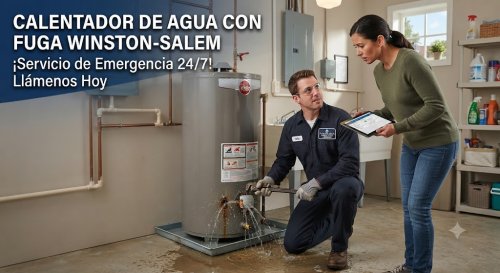
While minor backups involving clean water can sometimes be managed independently, raw sewage backups (Blackwater) always warrant professional intervention. Professional plumbing contractors bring specialized equipment, industrial sanitization chemicals, and advanced drying technology that standard household tools cannot match.
If the backup is extensive, affects multiple rooms, or involves main sewer line breaks requiring emergency plumbing repair, attempting DIY mitigation is unsafe. Experienced plumbing professionals can identify the root cause of the blockage—such as a collapsed lateral pipe or severe root intrusion—and execute permanent repairs while adhering to health and safety codes.
Frequently Asked Questions
Can I use bleach to clean up a sewage backup?
Bleach is a common disinfectant, but it is often ineffective on porous surfaces and can lose its potency when mixed with organic waste. Always use a commercial EPA-registered antimicrobial disinfectant designed for sewage cleanup, and never mix bleach with ammonia or other cleaning chemicals.
How long does it take for mold to grow after a sewer backup?
Mold can begin to colonize within 24 to 48 hours in damp, warm environments created by water damage. Rapid extraction, thorough disinfection, and aggressive drying are essential to stop mold spores from germinating.
Is raw sewage exposure dangerous to pets?
Yes. Pets are highly susceptible to waterborne illnesses, skin infections, and gastrointestinal diseases if they walk through or ingest contaminated wastewater. Keep pets completely away from affected zones until the space has been fully professionally sanitized and cleared for re-entry.
Conclusion
Mitigating contamination during a sewer backup requires swift action, strict adherence to safety protocols, and a clear understanding of what can and cannot be saved. By prioritizing personal safety, wearing proper protective gear, discarding porous contaminated items, and knowing when to call qualified plumbing and restoration professionals, you can protect your property's health and restore a safe living or working environment.
Share
What's Your Reaction?
 Like
0
 Dislike
0
 Love
0
 Funny
0
 Angry
0
 Sad
0
 Wow
0