Warning Signs of a Pipe Leaking Inside a Miami Wall
Learn the critical warning signs that indicate a pipe is leaking inside a Miami wall. Spot hidden water damage early to protect your property.

Understanding Hidden Water Leaks Behind Walls
When you own a home or manage a property, plumbing issues are bound to pop up from time to time. While dripping faucets or running toilets are easy to spot and fix, hidden plumbing failures present a much greater hazard. A pipe leaking inside a wall can silently discharge gallons of water for weeks or even months before it becomes visibly obvious. Recognizing the early warning signs of a leak inside a wall can mean the difference between a minor pipe repair and a catastrophic structural overhaul.
Property owners in regions with high humidity or shifting soil conditions often wonder what specific red flags to look for. Although this phenomenon is frequently discussed in coastal areas like Miami, the exact same warning indicators apply to residential and commercial structures everywhere, including right here in Winston-Salem, North Carolina. Because water takes the path of least resistance, it travels along studs, insulation, and drywall until it finally manifests as a noticeable symptom.
Top Warning Signs of a Pipe Leaking Inside a Wall
Catching a hidden leak early requires paying close attention to subtle changes in your property environment. Here are the primary indicators that suggest a water supply line or drain pipe has failed inside your drywall or plaster:
- Unexplained Spikes in Your Water Bill: If your household water usage habits have not changed, but your municipal utility bill climbs steadily month after month, a hidden pipe leak is a prime suspect.
- Discolored or Stained Drywall: Yellowish, brownish, or dark water rings appearing on interior walls are classic indicators of moisture tracking down from a compromised pipe.
- Peeling Paint or Bubbling Wallpaper: As moisture accumulates behind the wall surface, it breaks the bond between the paint or wallpaper and the drywall, causing bubbling, peeling, or cracking.
- Musty Odors and Mildew: Trapped moisture creates an ideal breeding ground for mold and mildew. A persistent musty smell that refuses to go away, even after cleaning, often points to damp cavities inside your walls.
- Warmer Wall Spots: If a hot water supply line develops a pinhole leak, a specific section of the drywall may feel noticeably warm to the touch compared to surrounding areas.
- Sound of Running Water: When all plumbing fixtures, appliances, and irrigation systems are completely turned off, standing quietly near a wall and hearing a faint hissing or rushing sound usually indicates water escaping under pressure.
- Soft or Sagging Drywall: Severely compromised drywall absorbs water until it loses its structural integrity, feeling spongy, soft, or visibly sagging inward when pressed lightly.
Why Hidden Wall Leaks Require Immediate Attention
Ignoring the early symptoms of a pipe leaking inside a wall is a gamble no property owner should take. Water does not simply stay inside the wall cavity. Over time, continuous moisture weakens wooden framing studs, degrades subflooring, and rusts metal fasteners. Furthermore, toxic mold colonies can proliferate within forty-eight hours of a water intrusion event, posing serious indoor air quality and health concerns for occupants.
In commercial buildings, hidden wall leaks can damage inventory, ruin drywall finishes, and disrupt business operations. Addressing these issues promptly through professional plumbing repair services prevents minor pinhole leaks from escalating into major structural remediation projects.
Common Causes of Pipe Leaks Inside Walls
Understanding why pipes fail behind walls helps homeowners appreciate the complexity of modern plumbing systems. Several factors contribute to these hidden failures:
- Corrosion and Age: Older galvanized steel or copper pipes naturally degrade over decades of service, developing pinhole leaks due to internal mineral buildup or external chemical reactions.
- Poor Installation or Joint Separation: Improperly soldered copper joints or poorly glued PVC and PEX fittings can eventually loosen and leak under continuous water pressure.
- External Pressure and Shifts: Settling building foundations, thermal expansion and contraction, or accidental nail punctures from hanging pictures can puncture or stress water lines.
When to Call a Professional Plumbing Contractor
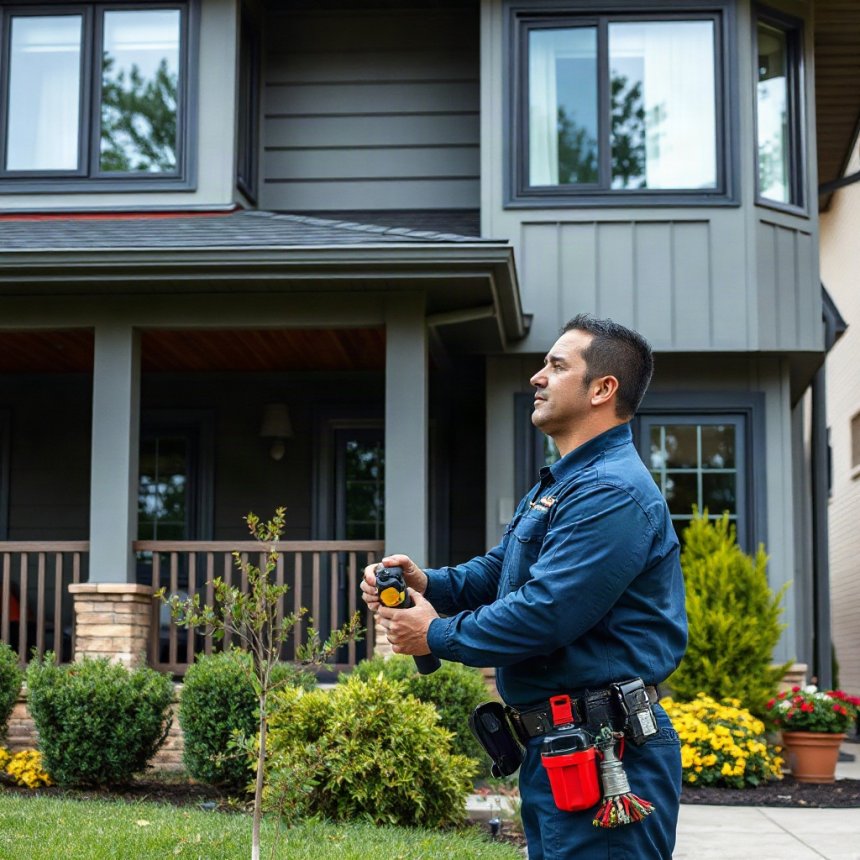
Pinpointing a leak located entirely inside a wall requires specialized diagnostic tools. Professional plumbers utilize electronic acoustic leak detectors, thermal imaging infrared cameras, and moisture meters to locate the exact source of moisture without tearing down your entire home. Once the compromised section of pipe is accurately located, a licensed plumbing contractor can safely cut away a small access panel of drywall, repair or replace the damaged pipe section, and ensure the system is properly pressure-tested.
If you suspect a pipe is leaking inside your walls, avoid attempting guesswork demolition. Reach out to qualified plumbing professionals who can diagnose the issue efficiently and provide reliable plumbing repair solutions.
Frequently Asked Questions
How can I test for a hidden water leak myself?
You can perform a simple water meter test. Ensure all faucets, showers, and water-using appliances are turned off. Locate your main water meter and check the leak indicator dial or low-flow triangle. If it is moving, water is actively escaping somewhere in your system.
Will homeowners insurance cover a pipe leak inside a wall?
Many insurance policies cover sudden and accidental water damage caused by a burst pipe, but they typically exclude damage resulting from long-term, neglected maintenance or gradual seepage. Review your specific policy details or consult your insurance agent for clarification.
Do I need to tear down the entire wall to fix a pipe leak?
Rarely. Experienced plumbing technicians use advanced detection equipment to pinpoint the exact leak location, allowing them to open only a localized patch of drywall to complete the necessary pipe repair.