How to Reduce Water Damage Before an Emergency Plumber Arrives
Learn essential steps to reduce water damage in your home before an emergency plumber arrives. Protect your property with expert tips.

Protecting Your Home in a Plumbing Crisis
When a sudden pipe bursts or a major supply line fails in your Winston-Salem home, every second counts. Standing water can warp hardwood floors, ruin drywall, saturate insulation, and trigger hazardous mold growth within hours. While you wait for professional help to arrive, taking swift, calculated action can save you thousands of dollars in property restoration costs.
As an experienced plumbing professional who has seen firsthand the devastation of unchecked indoor flooding, I always advise homeowners to have a clear action plan. Knowing exactly what to do between the moment disaster strikes and the arrival of an emergency plumber makes all the difference.
Step 1: Shut Off the Main Water Supply Immediately
The single most effective way to stop active water damage is to cut off the water source. If you are dealing with a localized issue like a broken sink supply line or an overflowing toilet, use the individual shutoff valve located directly beneath the fixture or behind the toilet. Turn the handle clockwise until it is fully closed.
If the leak is coming from inside a wall, a ceiling, or if you cannot locate the individual fixture valve, you must shut off the main water supply to your entire house:
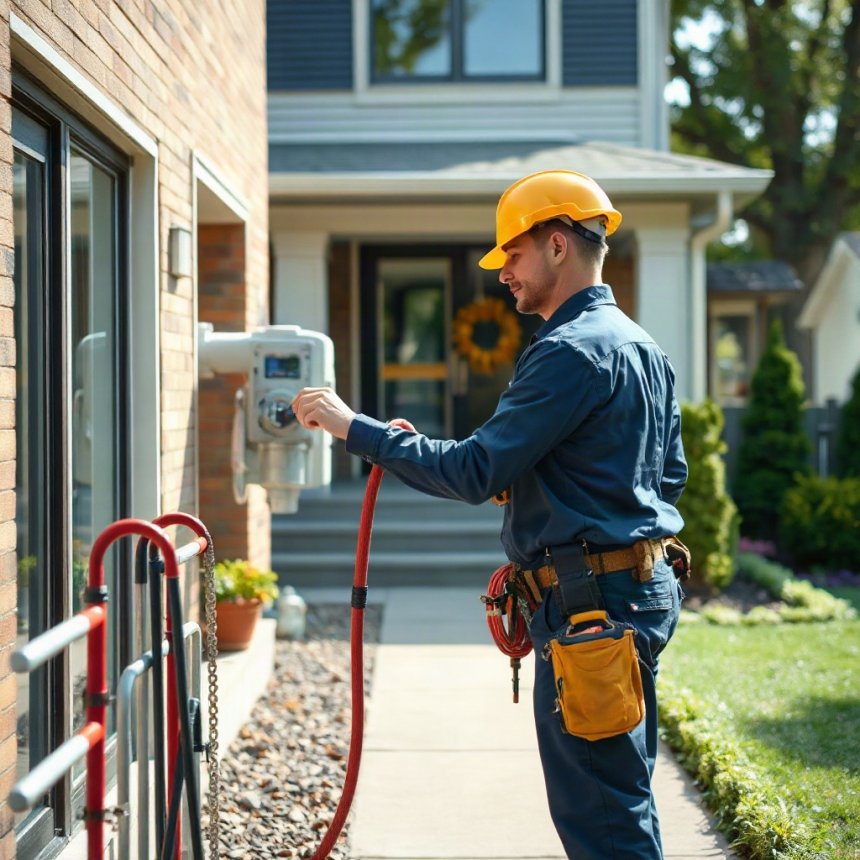
- Locate your main water shutoff valve. In North Carolina homes, this is typically found near the front perimeter wall in the basement or crawlspace, inside a utility room, or outdoors in a concrete meter box near the street.
- Turn the wheel valve clockwise or flip the lever-style ball valve a quarter-turn so it sits perpendicular to the pipe.
- Test a nearby indoor faucet to ensure the water flow has completely stopped.
Step 2: Cut Power to Vulnerable Electrical Areas
Water and electricity are a lethal combination. If water is pooling near electrical outlets, power strips, major appliances, or your circuit breaker panel, do not wade into standing water. Go to your electrical service panel and switch off the breakers that supply power to the affected rooms or appliances.
If water is actively leaking near your water heater or HVAC system, shut off the power switches for those units as well. Safety must always take precedence over property salvage efforts.
Step 3: Contain and Divert Pooling Water
While you wait for plumbing repair experts to arrive, mitigation is your primary objective. You can minimize structural saturation by using simple household items:
- Place buckets, plastic bins, or pots directly beneath active drips from ceilings or light fixtures.
- Lay down heavy-duty towels, old blankets, or mops around the base of overflowing fixtures to absorb surface moisture.
- Use a wet-dry shop vacuum if you have one to extract pooled water from hard flooring surfaces before it seeps into subfloors.
- Sweep water toward uncarpeted thresholds, floor drains, or exterior doorways if it is safe to do so.
Step 4: Relieve Pressure and Protect Valuables
If a pressurized pipe has burst, draining the remaining water from your home plumbing system can prevent additional leakage. Turn on your lowest-level bathtub faucets and outdoor hose bibs to drain out trapped water from the upper pipes.
Simultaneously, move vulnerable items out of harm's way:
- Lift furniture legs off wet carpets by placing small squares of aluminum foil or plastic wrap underneath them to prevent wood staining or rust transfer.
- Relocate electronics, books, area rugs, clothing, and sentimental items to dry elevated surfaces upstairs or in unaffected rooms.
- Open closet doors and interior room doors to encourage cross-ventilation and slow down humidity buildup.
Step 5: Document the Damage for Insurance
Before cleanup gets underway or repair work begins, take clear, well-lit photos and videos of all affected areas, damaged personal property, and the source of the plumbing failure. Insurance adjusters require thorough visual proof to process water damage claims smoothly. Keep a detailed log of your mitigation steps and any expenses incurred during the emergency response.
When to Call Professional Help
While minor leaks can sometimes be managed with DIY fixes, major pipe bursts, sewage backups, and catastrophic water heater failures require immediate professional intervention. When you need urgent plumbing services in Winston-Salem, NC, rely on licensed technicians equipped with industrial extraction tools, leak-detection equipment, and heavy-duty repair hardware to restore safety to your property.
Frequently Asked Questions
Where is my main water shutoff valve usually located?
In most residential properties, the main water shutoff valve is located on the interior wall where the municipal water line enters the home, often in a basement, crawlspace, or utility closet. Properties without basements may have a meter box near the street containing the main shut-off.
Should I turn off my water heater during a leak?
Yes. If your water heater is leaking or if you have shut off the main water supply to the house, turn off the circuit breaker or gas control valve to your water heater. Running an empty or compromised water heater can burn out heating elements or cause tank failure.
How quickly does mold start growing after water damage?
Mold spores can begin to germinate and colonize within 24 to 48 hours in damp, unventilated environments. Rapid drying, dehumidification, and professional water mitigation are crucial to prevent fungal growth.
Conclusion
Dealing with unexpected indoor flooding is stressful, but acting quickly can dramatically limit structural destruction. By knowing how to shut off your main water supply, securing electrical safety, and containing pooling water before a professional plumber arrives, you protect both your home and your budget. Stay prepared, keep emergency contacts handy, and never hesitate to call qualified plumbing contractors when major water emergencies strike.
Share
What's Your Reaction?
 Like
0
 Dislike
0
 Love
0
 Funny
0
 Angry
0
 Sad
0
 Wow
0