Plumbing Maintenance for Winston-Salem Rental Properties
Protect your Winston-Salem rental properties with expert plumbing maintenance tips. Learn how landlords can prevent costly repairs and water damage.


Protecting Your Investment Through Preventative Care
Managing rental properties in Winston-Salem, North Carolina, comes with a unique set of challenges. From historic homes in the West End to newer constructions out near Robinhood Road, landlords and property managers must juggle tenant relations, property upkeep, and major systems maintenance. Among all household systems, the plumbing infrastructure requires some of the most rigorous attention. Proactive plumbing maintenance for Winston-Salem rental properties is not just a way to avoid midnight emergency calls from frantic tenants; it is a critical strategy for protecting your long-term return on investment, preventing catastrophic water damage, and keeping your operational costs predictable.
With two decades of hands-on experience in the plumbing industry, I have seen firsthand how small, neglected plumbing issues spiral into expensive property disasters. A slow-dripping supply line under a bathroom sink or a failing water heater pressure relief valve can quietly ruin subfloors, spawn toxic mold, and lead to contentious disputes over property damage. By implementing a structured, seasonal maintenance plan tailored to the Piedmont Triad climate, property owners can safeguard their assets and maintain harmonious relationships with their tenants.
Understanding the Winston-Salem Climate and Its Impact on Rental Plumbing
Local geography and weather patterns play a significant role in how plumbing systems age. Winston-Salem experiences distinct seasonal changes, including freezing temperatures during winter nights and humid, warm summers. These environmental factors put stress on both interior and exterior pipes.
- Winter Freezing Risks: While North Carolina winters are generally moderate compared to northern states, sudden hard freezes occur every year. Uninsulated exterior hose bibs, crawlspace supply lines, and pipes running along exterior walls are highly vulnerable to freezing and bursting if tenants do not take proper precautions.
- Red Clay Soil Shifts: Much of the Winston-Salem area sits upon expansive red clay soils. Heavy rainfall followed by dry spells causes this clay to expand and contract dramatically. This ground movement exerts physical pressure on underground sewer lines and water service mains, occasionally causing offsets, cracks, or bellied pipes.
- Water Hardness: The local water supply carries mineral content that contributes to scale accumulation inside water heaters, dishwasher valves, and faucet aerators over time.
Key Components of a Rental Property Plumbing Maintenance Checklist
A successful property management strategy relies on consistency. Establishing a routine schedule for checking plumbing assets keeps small problems from escalating. Landlords should perform comprehensive inspections between tenant turnovers and schedule routine check-ins at least once a year for long-term leases.
1. Water Heater Inspections and Flushing
The water heater is one of the hardest-working appliances in any rental unit. Sediment buildup is inevitable in the Winston-Salem area due to local water mineral content. When sediment settles at the bottom of the tank, it insulates the water from the heating elements, forcing the unit to work harder, consume more energy, and wear out prematurely. Flushing the tank annually, testing the temperature-pressure relief (TPR) valve, and checking the anode rod can double the lifespan of the equipment.
2. Fixture and Leak Assessments
During turnover inspections—or as part of an annual maintenance walkthrough—inspect every visible water connection. Look closely under kitchen sinks, bathroom vanities, around toilet bases, and behind washing machine hookups. Even a minor pinhole leak in a supply line can waste thousands of gallons of water and cause silent structural decay behind drywall. Replacing old flappers inside toilet tanks prevents phantom flushing that drives up water bills.
3. Drain Line Health and Preventive Cleaning
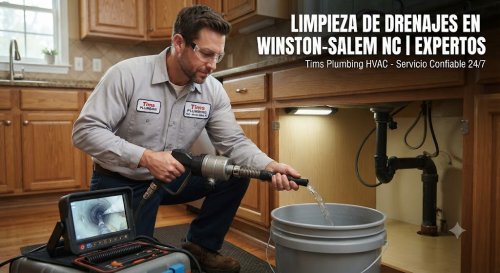
Tenants often treat kitchen garbage disposals and bathroom drains as receptacles for items they shouldn't be. Grease, coffee grounds, wet wipes, and hair frequently cause stubborn blockages. Instead of relying on harsh chemical drain cleaners that can corrode older metal and PVC pipes, property owners should schedule professional hydro-jetting or mechanical snaking for multi-family properties prone to heavy hair and grease accumulation.
4. Sump Pumps and Exterior Drainage
For rental properties featuring basements or lower-level living spaces, proper exterior drainage is vital. Ensure that gutters and downspouts direct rainwater at least several feet away from the foundation. If the property utilizes a sump pump, test it regularly by pouring a bucket of water into the pit to ensure the float switch activates the motor seamlessly before heavy spring storms arrive.
Educating Tenants on Proper Plumbing Usage
Even the best maintenance plan can be derailed if tenants lack basic awareness regarding their plumbing system. Clear communication from day one prevents costly mishaps. Consider adding a plumbing care addendum to your lease agreements that covers specific guidelines.
What Never to Flush: Remind tenants that flushable wipes, paper towels, cotton swabs, and feminine hygiene products do not break down like standard toilet paper and will clog main sewer lines.
Grease Disposal: Educate tenants never to pour cooking oil, bacon grease, or food scraps down the kitchen sink. Grease solidifies inside the pipes, trapping other debris and creating stubborn blockages.
Winter Protocols: Provide clear instructions on what tenants must do when freezing temperatures hit, such as allowing indoor faucets to drip slowly, opening cabinet doors beneath sinks to let warm air circulate, and disconnecting outdoor garden hoses.
Emergency Shut-Off Location: Show every new tenant where the main water shut-off valve is located and explain how to turn it off immediately in the event of a catastrophic leak or burst pipe.
Working with Professional Plumbing Services in Winston-Salem
While landlords can handle basic preventative checks like changing sink aerators and inspecting toilet flappers, complex plumbing tasks demand licensed professional expertise. Attempting DIY repairs on major components—such as gas water heater replacements, sewer line excavations, or hidden slab leaks—often leads to code violations, voided warranties, and extensive property damage.
Establishing a relationship with a reliable local plumbing contractor ensures you have priority access when emergencies arise. Professional plumbers bring specialized diagnostic equipment, such as sewer camera inspection tools, to pinpoint underground root intrusions or pipe collapses without tearing up your landscaping. Furthermore, certified commercial or residential plumbing services guarantee that all repairs comply strictly with local municipal building codes in Forsyth County.
Frequently Asked Questions About Rental Property Plumbing
How often should rental property plumbing be inspected?
Ideally, a comprehensive plumbing inspection should occur during every tenant turnover. For long-term tenants, scheduling an annual preventative maintenance checkup is recommended to catch hidden issues like water heater degradation or slow drain clogs.
Who is responsible for plumbing repairs—the landlord or the tenant?
In North Carolina, landlords are generally responsible for maintaining habitable premises, which includes ensuring that plumbing, heating, and electrical systems are in good working order. However, if a plumbing issue is proven to be caused by tenant negligence—such as flushing prohibited items or severe garbage disposal abuse—the tenant may be held financially liable for the repair costs.
What should I do if a tenant reports a major plumbing leak?
Instruct the tenant to locate and turn off the main water supply valve immediately if it is safe to do so. Contact a trusted local plumbing repair professional in Winston-Salem right away to dispatch an emergency response team, minimize water mitigation costs, and protect the structural integrity of the property.
Conclusion
Proactive plumbing maintenance for Winston-Salem rental properties is an essential responsibility for prudent landlords and property managers. By understanding local environmental factors like red clay soil shifts and freezing winter temperatures, adhering to a structured inspection checklist, educating tenants, and partnering with qualified plumbing professionals, you can protect your investments, control operating expenses, and provide safe, reliable housing for your tenants for years to come.
Share
What's Your Reaction?
 Like
0
 Dislike
0
 Love
0
 Funny
0
 Angry
0
 Sad
0
 Wow
0