Underground Water Leak Detection in Winston-Salem, NC
Learn about underground water leak detection in Winston-Salem, NC, including warning signs, common causes, detection methods, repair options, costs, and prevention tips.

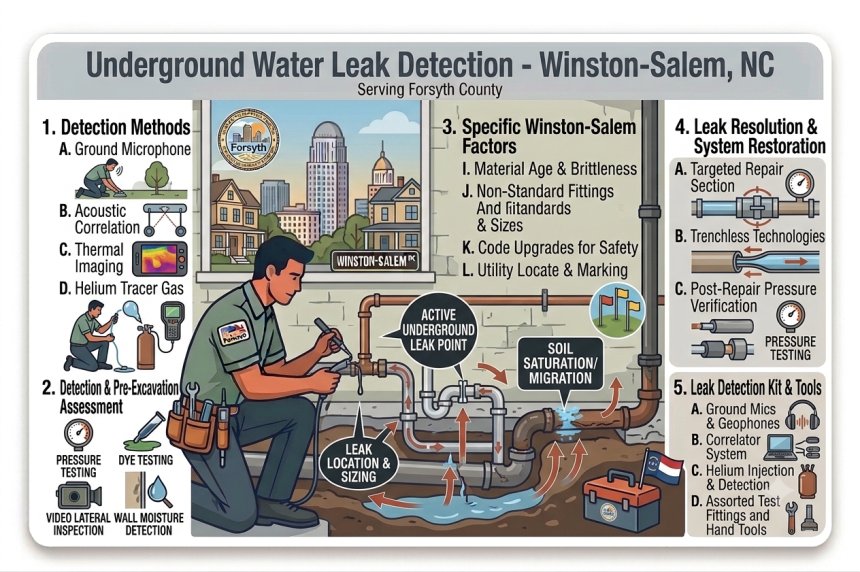
Underground Water Leak Detection in Winston-Salem, NC
An underground water leak can be difficult to identify because the damaged pipe is located below the ground rather than in an easily accessible part of the property. Unlike a leaking faucet or visible pipe, an underground leak may not immediately produce obvious signs. However, unexplained water usage, wet areas in the yard, reduced water pressure, or standing water can indicate that an underground water line needs inspection.
Professional underground water leak detection in Winston-Salem, NC focuses on identifying the location of a hidden water leak and determining the appropriate repair method. Detecting the problem early can help reduce water waste, limit property damage, and prevent a small plumbing issue from becoming a larger water line problem.
What Is an Underground Water Leak?
An underground water leak occurs when water escapes from a buried plumbing pipe or water service line. These lines may run beneath lawns, driveways, sidewalks, landscaping, foundations, or other areas of a property.
Because the pipe is underground, the water may travel through soil before reaching the surface. This means the location where water appears may not be the exact location of the damaged pipe.
A professional inspection is therefore important when the source of a suspected underground leak cannot be identified through a normal visual plumbing inspection.
Signs of an Underground Water Leak
An underground leak can produce several warning signs. Homeowners should pay attention to changes around the property and in the plumbing system.
Common signs include:
- Unexplained increases in water bills
- Wet spots in the yard
- Standing water
- Unusually green vegetation
- Muddy areas
- Water pooling near the foundation
- Reduced water pressure
- Water meter movement when fixtures are off
- Sounds of running water
- Sinkholes or soil movement
- Cracks around paved areas
- Persistent moisture in one area of the property
Not every wet area indicates a plumbing leak. Rainfall, drainage problems, irrigation systems, and groundwater can also create moisture. A professional inspection can help determine whether the water is coming from a plumbing line.
Common Causes of Underground Water Leaks
Underground water lines can develop leaks for different reasons.
Aging Pipes
Plumbing materials can deteriorate over time. Older pipes may become weakened by corrosion, environmental exposure, soil conditions, or general wear.
Ground Movement
Changes in soil conditions or ground movement can place stress on underground pipes and connections.
Tree Roots
Roots can grow around underground plumbing and may contribute to problems when pipes already have cracks, weak joints, or damaged sections.
Corrosion
Certain pipe materials can deteriorate over time. Corrosion can eventually create weak areas where water escapes.
Poor Connections
Underground joints and connections can loosen, deteriorate, or become damaged.
Physical Damage
Construction work, landscaping, digging, or other activities can accidentally damage buried plumbing.
Why Underground Leak Detection Is Important
An underground leak can waste significant amounts of water because the water may continue escaping even when the property owner is not using any fixtures.
If the problem remains undetected, it may also affect the surrounding soil and property.
Early detection can help:
- Reduce water waste
- Prevent additional property damage
- Protect landscaping
- Reduce unnecessary utility costs
- Identify damaged plumbing
- Determine the appropriate repair
- Reduce the need for unnecessary excavation
Finding the leak accurately is often the first step toward an efficient repair.
How Professionals Detect Underground Water Leaks
The detection process depends on the plumbing system and suspected location of the problem.
A professional may begin by reviewing the property's water usage and inspecting visible plumbing components.
The water meter may also be checked to determine whether water is being consumed when fixtures and appliances are not operating.
If a leak is suspected underground, specialized detection equipment may help narrow down the location.
The purpose of these techniques is to identify the likely leak area before excavation or major repair work begins.
Water Meter Testing
A water meter can provide useful information when investigating a suspected leak.
If all faucets, toilets, appliances, and other water-consuming fixtures are turned off but the meter continues to register water usage, there may be an active leak somewhere in the plumbing system.
The meter alone cannot necessarily identify the exact location of the leak, but it can provide an important indication that water is escaping from the system.
Acoustic Leak Detection
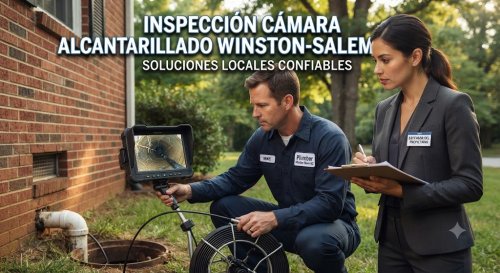
Acoustic equipment may be used to listen for sounds produced by water escaping from a pressurized pipe.
Because underground plumbing is hidden beneath soil and other materials, specialized equipment can help technicians narrow down the suspected location without immediately digging across the entire property.
This approach may reduce unnecessary excavation.
Electronic Leak Detection
Electronic detection equipment can also be used in some plumbing situations to help locate underground leaks.
The appropriate technique depends on the pipe material, depth, accessibility, surrounding environment, and characteristics of the plumbing system.
A professional can determine which detection approach is suitable for the property.
Pressure Testing
Pressure testing can sometimes help determine whether a plumbing system is maintaining pressure properly.
If pressure drops unexpectedly when water is not being used, this may indicate a leak somewhere in the system.
Additional inspection may then be needed to locate the exact problem.
Why the Leak Location Matters
Finding the precise location of an underground leak is important because excavation can be disruptive.
A water line may run underneath:
- Lawns
- Driveways
- Sidewalks
- Patios
- Landscaping
- Foundations
- Concrete
- Garden areas
Without accurate detection, unnecessary digging may damage areas of the property that do not need to be disturbed.
Better leak localization can help the plumber focus repair work on the affected section.
Underground Water Leak Repair
Once the leak has been located, the plumber can determine the appropriate repair.
Depending on the condition of the water line, repair options may include repairing a damaged section, replacing a section of pipe, or replacing a larger portion of the line.
The appropriate solution depends on the pipe material, location, accessibility, age, severity of damage, and overall condition of the plumbing system.
When Water Line Replacement May Be Necessary
Repairing one section may not always be the best long-term solution.
Replacement may be considered when:
- The pipe has extensive damage
- Multiple leaks are occurring
- The plumbing is severely deteriorated
- The existing material is no longer reliable
- Previous repairs have repeatedly failed
- A large section of the line is damaged
A professional plumber can evaluate the condition of the line and explain the available options.
Underground Leak Detection and Landscaping
Underground leaks can affect landscaping in several ways.
A continuously wet area may cause soil to become soft or unstable. Grass or plants may also grow differently in an area receiving additional water.
However, landscaping changes alone do not prove that a plumbing leak exists. Irrigation problems and natural drainage can create similar symptoms.
If the wet area occurs near a buried water line or is accompanied by unexplained water usage, plumbing inspection may be appropriate.
Underground Water Leaks Near Foundations
A water leak near a building foundation should receive prompt attention.
Water escaping underground can change soil moisture around the structure. While not every underground leak will affect a foundation, persistent water accumulation near a building should be investigated.
The goal is to identify the source and prevent continued water from reaching areas where it may cause additional property problems.
Underground Leak Detection for Older Homes
Older properties may contain aging water lines and plumbing components. Over time, materials can experience deterioration and repeated stress.
If an older home begins experiencing repeated leaks, it may be useful to evaluate the overall condition of the water line rather than treating every leak as an isolated problem.
A plumbing professional can inspect the affected system and determine whether individual repairs or larger replacement work may be appropriate.
Cost of Underground Water Leak Detection
The cost of underground leak detection depends on the complexity of the plumbing system and the equipment or labor required.
Factors that may influence the cost include:
- Location of the suspected leak
- Depth of the pipe
- Pipe material
- Accessibility
- Size of the property
- Detection equipment required
- Complexity of the plumbing system
- Whether additional testing is needed
- Repair requirements after detection
Detection and repair are separate parts of the process, so the total project cost can vary significantly.
A professional evaluation is the best way to understand the expected work for a specific property.
Why DIY Underground Leak Detection Can Be Difficult
Homeowners can identify warning signs, check visible plumbing, and monitor water usage, but locating a buried pipe leak can be difficult without specialized equipment.
Digging randomly can also create unnecessary property damage.
For this reason, professional detection can be useful when the leak cannot be located through basic inspection.
Preventing Underground Water Line Problems
While not every underground leak can be prevented, regular attention to the plumbing system can help identify problems earlier.
Homeowners can:
- Monitor monthly water bills
- Check the water meter periodically
- Watch for unexplained wet spots
- Inspect outdoor plumbing
- Address low water pressure
- Avoid unauthorized digging near buried utility lines
- Repair visible plumbing problems promptly
- Consider inspections for older plumbing systems
Early awareness can make it easier to respond before a small leak becomes a major plumbing emergency.
When to Call a Professional
Professional underground water leak detection may be appropriate if:
- Your water bill suddenly increases
- Your meter shows unexplained usage
- You notice persistent wet soil
- Water appears in an unusual location
- Your water pressure drops
- You hear running water when fixtures are off
- You suspect a leak beneath a driveway or yard
- A previous plumbing repair did not solve the problem
A professional can evaluate the symptoms and determine whether further leak detection is necessary.
Frequently Asked Questions
How can I tell if my underground water line is leaking?
Common warning signs include unexplained water usage, wet spots, unusually green grass, reduced pressure, standing water, and water meter activity when fixtures are turned off.
Can an underground leak be detected without digging?
In many situations, specialized detection methods can help locate a suspected leak before extensive excavation is performed.
Does a wet spot in my yard always mean a water leak?
No. Wet soil can also result from rain, drainage problems, irrigation, or groundwater. Additional inspection is needed to determine the cause.
Can an underground water leak increase my water bill?
Yes. A continuous leak can cause water usage to increase even when the property's normal water consumption has not changed.
Is underground water leak detection necessary before repair?
Accurate detection can help identify where the problem is located and reduce unnecessary excavation. The appropriate approach depends on the plumbing situation.
How long does underground leak detection take?
The time required varies according to the size and complexity of the property, pipe location, accessibility, and type of detection required.
Final Thoughts
An underground water leak can remain hidden while continuously wasting water and potentially affecting the surrounding property. Recognizing warning signs such as unexplained water usage, wet ground, reduced pressure, and unusual landscaping changes can help homeowners respond sooner.
Professional underground water leak detection in Winston-Salem, NC can help identify the suspected location of a hidden leak and provide useful information for planning the appropriate repair. Prompt inspection can reduce unnecessary water loss and help protect the plumbing system and property.
Share
What's Your Reaction?
 Like
0
 Dislike
0
 Love
0
 Funny
0
 Angry
0
 Sad
0
 Wow
0