How to Fix a Slow-Draining Kitchen Sink in Miami FL
Learn how to fix a slow-draining kitchen sink in Miami FL with professional tips, expert diagnostic steps, safe clearing methods, and local solutions.


Understanding a Slow-Draining Kitchen Sink
Dealing with a slow-draining kitchen sink can quickly disrupt your daily routine. Whether you are washing dishes after dinner or prepping meals, standing water in your basin is both frustrating and unsanitary. Over two decades of hands-on plumbing experience, I have seen this issue plague countless properties. While many homeowners immediately reach for harsh chemical drain cleaners, these products often cause more harm than good to your pipes. Understanding the root causes and proper remediation techniques ensures you protect your plumbing system while restoring full functionality.
Common Causes of Kitchen Sink Slowdowns
Before attempting any repairs, it helps to know what is happening inside your drain pipes. Kitchen sinks handle a unique combination of waste materials that accumulate over time. The most frequent culprits include:
- Grease and Fat Buildup: Pouring cooking oils, bacon grease, or melted butter down the drain seems harmless while liquid, but they solidify inside cold pipes, narrowing the interior diameter.
- Food Particle Accumulation: Even with a garbage disposal, starches like rice, pasta, and potato peels swell with water and create stubborn blockages.
- Soap Scum and Mineral Deposits: Hard water minerals combine with soap residue to form a crusty buildup along the pipe walls.
- Vent Stacks and P-Traps: Misaligned P-traps or blocked plumbing vent stacks can severely restrict wastewater flow and drainage speed.
Step-by-Step Guide to Clearing a Slow Kitchen Sink
When your kitchen sink refuses to drain at a normal speed, methodical troubleshooting is your best approach. Here is how professional plumbers evaluate and clear slow drains safely:
1. Inspect and Clear the P-Trap
The P-trap is the curved section of pipe located directly underneath your sink basin. Its design traps sewer gases, but it also catches heavy debris and foreign objects. Place a bucket underneath the P-trap to catch residual water, unscrew the slip-joint nuts by hand or with channel-lock pliers, and inspect the interior. Clean out any accumulated gunk, rinse it thoroughly, and reattach it securely.
2. Use a Quality Plumber's Snake
If the P-trap is clean, the blockage likely resides further down in the branch drain. A handheld drum auger, or plumber's snake, allows you to reach past the trap and break apart dense clogs. Feed the cable into the pipe until you feel resistance, rotate the handle to hook or break up the obstruction, and slowly retrieve the cable while flushing the line with warm water.
3. Natural Flushing Methods
For minor organic buildup, avoid caustic store-bought chemicals. Instead, try a safe mixture of baking soda and vinegar followed by boiling water. Pour half a cup of baking soda down the drain, followed by half a cup of white vinegar. Let it fizz for fifteen minutes to loosen surface grime, then flush the system with a kettle of boiling water to wash the loosened residue away.
When to Call Professional Plumbing Services
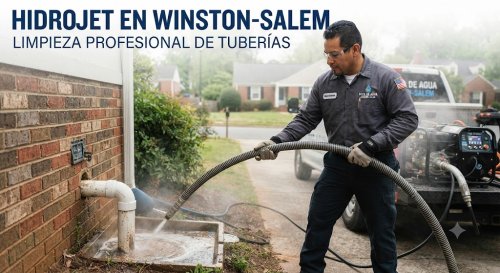
While DIY clearing methods work well for minor clogs, certain situations demand professional intervention. If you notice multiple fixtures draining slowly simultaneously, suspect a damaged main sewer line, or experience frequent recurring clogs despite repeated cleaning, it is time to call a licensed plumber. Professional plumbing services utilize advanced diagnostic tools like video camera inspections and high-pressure hydro-jetting to completely scour pipe walls without damaging your plumbing infrastructure. Homeowners in Winston-Salem, North Carolina seeking reliable plumbing repair or emergency plumbing services should always verify licensing and experience before hiring a contractor.
Prevention Tips for Long-Lasting Drainage
Maintaining a fast-flowing kitchen sink requires mindful everyday habits. Adopt these professional recommendations to keep your drains clear:
- Never pour cooking oils, grease, or leftover sauces down the drain. Collect grease in a container and dispose of it in the trash.
- Run your garbage disposal with a strong stream of cold water for at least fifteen seconds before and after grinding food waste.
- Avoid putting fibrous vegetables, coffee grounds, eggshells, and starchy foods down the kitchen drain.
- Flush your drains monthly with hot water and baking soda to prevent organic buildup from forming.
Frequently Asked Questions
Can I use chemical drain cleaners on a slow kitchen sink?
Chemical drain cleaners are generally discouraged by professional plumbers. They contain harsh corrosive agents that generate excessive heat, which can warp PVC pipes, degrade older metal plumbing, and pose severe safety hazards if they splash back during use.
Why is only one side of my double kitchen sink draining slowly?
If you have a double basin sink and only one side is slow, the clog is typically located in the specific tailpiece or tee fitting connected to that side before it merges into the main P-trap.
How often should kitchen drains be professionally cleaned?
For standard residential homes, scheduling a professional drain inspection or cleaning every couple of years helps prevent unexpected emergency clogs and extends the lifespan of your plumbing system.
Conclusion
A slow-draining kitchen sink is a common household nuisance, but it does not have to ruin your day. By understanding the underlying causes, utilizing safe DIY clearing techniques, and practicing proactive preventive maintenance, you can keep your kitchen plumbing running smoothly. When stubborn blockages or complex plumbing issues arise, rely on experienced professionals to deliver safe, effective, and lasting solutions for your property.
Share
What's Your Reaction?
 Like
0
 Dislike
0
 Love
0
 Funny
0
 Angry
0
 Sad
0
 Wow
0