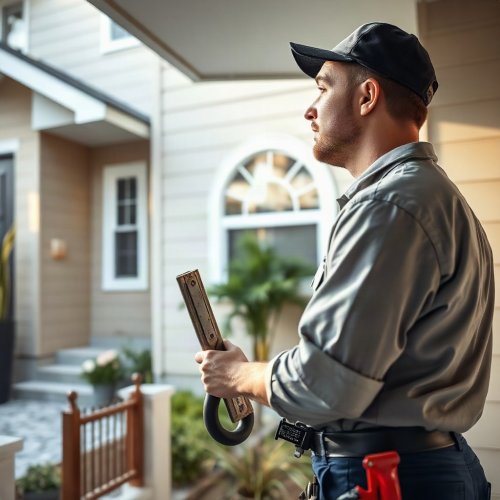
Dangers of Improper Drain Snake Operation in Pipes
Discover the risks and structural dangers of improper drain snake operation in residential and commercial piping systems. Protect your home plumbing today.

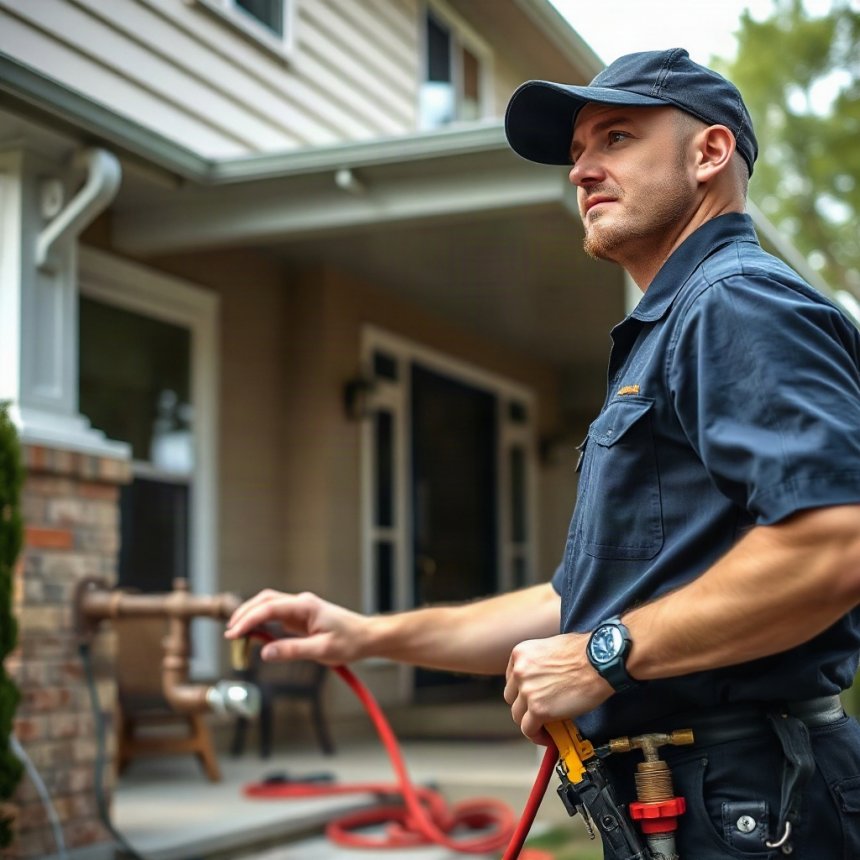
Understanding the Risks of Improper Drain Snake Operation
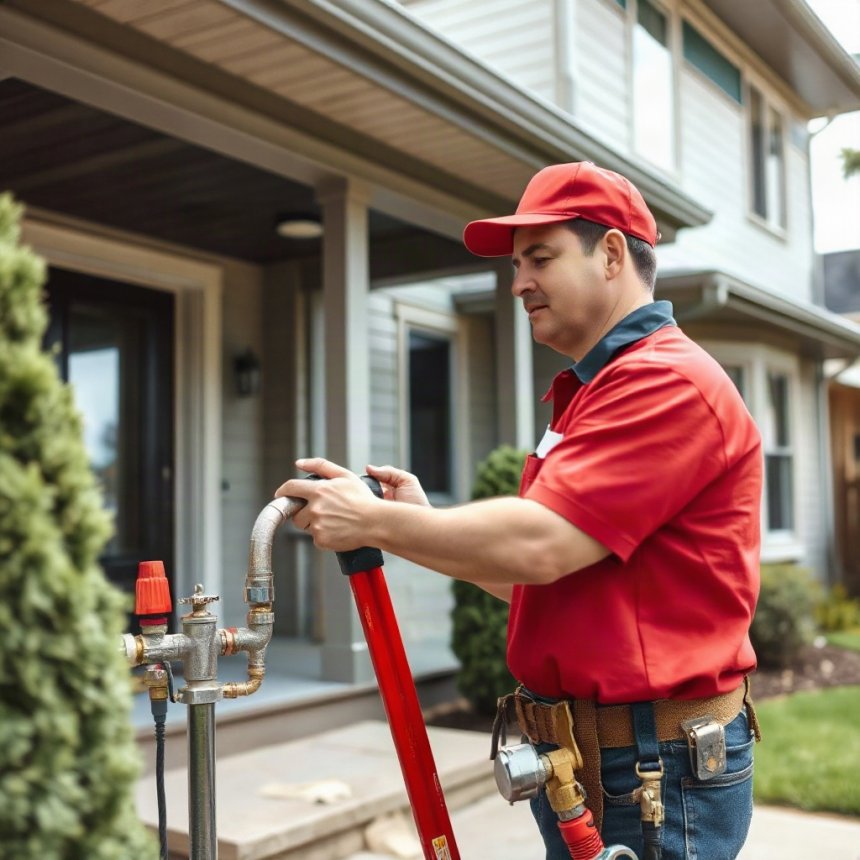
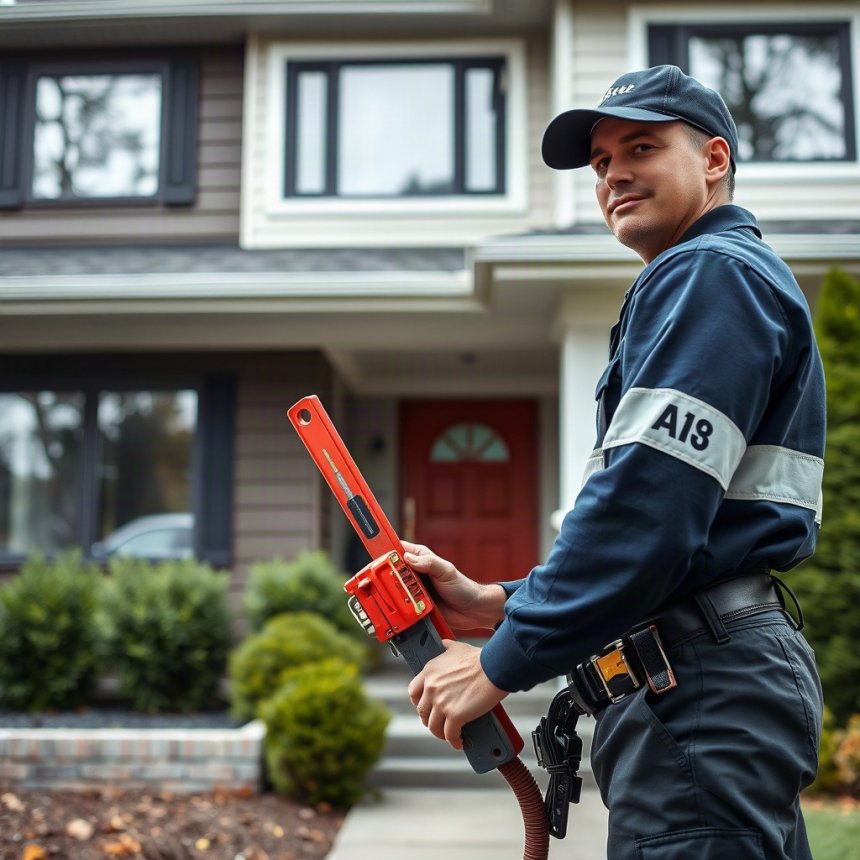
When a stubborn clog brings your household plumbing to a halt, a drain snake or motorized auger often seems like the ultimate quick fix. However, handling these powerful tools without professional expertise can lead to severe structural damage to your plumbing system. While these devices are designed to clear blockages, improper drain snake operation introduces significant physical hazards to both your pipes and your personal safety.
Property owners in Winston-Salem, North Carolina, frequently encounter slow-draining sinks, tubs, and main sewer lines. Attempting a DIY fix using heavy-duty equipment without understanding pipe mechanics can transform a simple clog into a costly plumbing catastrophe. Recognizing the specific hazards associated with mishandled augers helps homeowners weigh the risks of DIY methods versus calling a licensed plumbing professional.
How Incorrect Technique Damages Residential and Commercial Pipes
Drain snakes feature heavy steel cables and hardened steel cutting heads designed to slice through tree roots, grease, and compacted debris. When operated incorrectly, this raw mechanical power works against the pipe material rather than the obstruction.
- Pipe Punctures and Ruptures: Forcing a rotating steel cable against a stubborn blockage or a 90-degree pipe bend can easily puncture thin-walled PVC, older clay tile, or corroded cast iron pipes.
- Joint Separation: Aggressive twisting and forcing of an auger can exert immense pressure on pipe fittings and hubs, causing glued or leaded joints to crack and leak raw sewage beneath your floors or foundation.
- Cable Kinking and Lodging: If the motor feeds the cable too fast or encounters an obstruction at high speed, the steel snake can double back on itself, knotting tightly inside the pipe and trapping the cutting head permanently underground.
Material Vulnerabilities: Cast Iron vs. PVC
The extent of damage caused by an improper drain snake operation often depends on the age and composition of your plumbing infrastructure. Understanding your pipe material is crucial before introducing any mechanical cutting tool.
Cast Iron Pipes
Older homes throughout the region often feature aging cast iron drain lines. Over decades of service, these pipes suffer from internal scaling and bottom-floor corrosion. A rigid steel auger bouncing aggressively inside a weakened cast iron pipe can chip away the remaining sound metal, tearing holes through the pipe wall and causing immediate structural failure.
PVC and ABS Plastic Pipes
While plastic piping is resilient, it is not indestructible. Modern plastic lines can soften under high friction heat generated by a spinning cable held in one spot for too long. A sharp auger blade can easily gouge or slice straight through plastic sidewalls if the operator loses control of the tool feed.
Personal Safety Hazards During Auger Operation
Beyond the immense risk to your property's plumbing network, improper drain snake operation presents immediate physical dangers to the operator.
- Severe Entanglement Injuries: Motorized drain augers possess tremendous torque. If loose clothing, long hair, or work gloves become caught in the spinning steel cable, the machine can drag the operator into the equipment, resulting in broken bones or severe lacerations.
- Biohazard Exposure: Clearing a blocked drain often releases pressurized wastewater, grease, and harmful bacteria back out of the cleanout or fixture. Without proper personal protective equipment, operators risk dangerous microbial exposure.
- Electrical Shock Risks: Because plumbing areas are frequently damp or wet, operating powerful electric drain cleaning machines without a properly grounded outlet or a GFCI-protected circuit invites severe electrical shock hazards.
Warning Signs That Your Pipes Have Been Damaged
If you or an inexperienced operator recently attempted to clear a line and something went wrong, look for these critical indicators of structural pipe damage:
- New or worsening water stains on ceilings, walls, or subfloors immediately following an augering attempt.
- A sudden drop in water pressure or unusual gurgling noises from neighboring plumbing fixtures when a toilet is flushed.
- Persistent foul sewage odors lingering inside the home or pooling in the yard near the main sewer line cleanout.
- Water backing up into unexpected fixtures, such as shower drains filling up when the washing machine runs.
When to Call a Professional Plumbing Contractor
Drain cleaning requires more than raw force; it demands diagnostic precision, camera inspections, and specialized equipment tailored to specific pipe diameters and materials. Professional plumbers utilize high-definition video inspection cameras to locate the exact cause and depth of a blockage before selecting the appropriate cleaning method—whether that is hydro jetting, specialized scaling, or careful mechanical rooter work.
If you are facing a severe drainage backup in Winston-Salem, North Carolina, avoid the risks of DIY mechanical failure. Entrusting your plumbing system to qualified professionals ensures that your pipes remain intact, your home stays protected, and the root cause of the blockage is completely resolved without collateral damage.
Frequently Asked Questions
Can a drain snake crack a toilet bowl?
Yes. Specialized closet augers are rubber-coated to protect porcelain, but standard drain snakes or rigid rods pushed forcefully into a toilet trapway can easily fracture the porcelain, resulting in a complete fixture replacement.
Why does my drain snake keep getting stuck in the pipe?
A cable typically gets stuck when it encounters a heavy root intrusion, a collapsed pipe section, or a severe offset fitting. Forcing the machine further usually worsens the jam and risks kinking the cable inside the line.
Is hydro jetting safer for pipes than a drain snake?
When performed by a trained technician after a video inspection, hydro jetting thoroughly scours the interior pipe walls with high-pressure water without the physical scraping and gouging risks associated with rigid steel cutting blades.
Share
What's Your Reaction?
 Like
0
 Dislike
0
 Love
0
 Funny
0
 Angry
0
 Sad
0
 Wow
0