What Causes Water to Pool Under Miami Water Heater Tanks?
Discover what causes water to pool under Miami water heater tanks. Learn troubleshooting steps, warning signs, and when to call a professional.

Understanding Water Pooling Under Your Water Heater
Discovering water pooling under your water heater tank can instantly cause panic for any homeowner. Whether you reside in Winston-Salem, North Carolina, or anywhere else, a puddle at the base of your appliance is never a good sign. It serves as a direct indicator that something within your domestic hot water system requires immediate attention. Over two decades of hands-on plumbing experience have shown that ignoring even a small amount of moisture can quickly escalate into a major flood, structural damage, and costly mold remediation.
When moisture accumulates beneath the tank, it is essential to determine whether the water originates from the internal components of the water heater itself or from external sources such as nearby plumbing connections or HVAC condensation lines. Let us examine the primary culprits behind this frustrating household issue.
Common Causes of Water Pooling Under Water Heater Tanks
Pinpointing the exact source of a leak requires systematic troubleshooting. Not all water on the floor means your tank has ruptured beyond repair. Here are the most frequent reasons why water pools underneath a water heater:
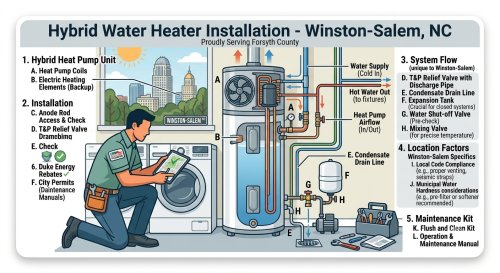
- Temperature and Pressure Relief (T&P) Valve Failure: The T&P valve is a critical safety device designed to release water if pressure or temperature inside the tank becomes dangerously high. If the valve fails, wears out, or if home water pressure is too high, water will discharge through the pipe and puddle on the floor.
- Loose or Damaged Plumbing Connections: The hot and cold water inlet and outlet pipes connect directly to the top of the tank. Over time, pipe fittings, dielectric unions, and threaded connections can corrode, loosen, or crack, allowing water to trickle down the sides of the tank and pool at the base.
- Internal Tank Corrosion and Leaks: All water heater tanks have a finite lifespan, typically averaging 8 to 12 years. Inside the tank, a sacrificial anode rod works hard to attract corrosive minerals. Once this rod is completely depleted, rust attacks the steel inner lining. When the tank wall actually punctures or cracks, water will continuously pool beneath the unit, signaling that total replacement is unavoidable.
- Condensation on the Tank: Sometimes, puddles are not caused by leaks at all. Newly installed water heaters or units working overtime during high-humidity seasons can experience heavy condensation. Cold water entering the tank chills the outer shell, causing ambient moisture in the air to condense and drip down to the floor.
- Drain Valve Malfunctions: Located at the bottom of the tank, the plastic or brass drain valve is used during annual flushing maintenance. If this valve is not fully closed after maintenance, or if the internal seal degrades due to age and sediment buildup, it will develop a slow drip that collects under the appliance.
Warning Signs of an Impending Water Heater Failure
Catching a water heater problem early can save your floors and belongings from extensive water damage. Keep an eye out for these telltale signs:
- Small, recurring damp patches that return even after you dry the floor.
- Discolored or rusty water coming from your faucets, which indicates interior tank corrosion.
- Strange rumbling, popping, or banging noises coming from inside the tank as sediment bakes on the bottom.
- Fluctuating water temperatures or a sudden lack of hot water.
- Visible rust streaks or corrosion around pipe fittings, the T&P valve, or the base of the tank.
Practical Steps and Solutions
When you spot water pooling under your water heater, safety and swift action are your top priorities. Follow these steps to mitigate damage:
- Shut Off the Power: If you have an electric water heater, turn off the dedicated circuit breaker immediately. For gas water heaters, turn the gas control valve to the
Share
What's Your Reaction?
 Like
0
 Dislike
0
 Love
0
 Funny
0
 Angry
0
 Sad
0
 Wow
0